

Museo Histórico y Arqueológico Andrés Guacurarí – Journey Through the History of Misiones
The Museo Histórico y Arqueológico Andrés Guacurarí in Misiones offers an insightful exploration of the…
Keep reading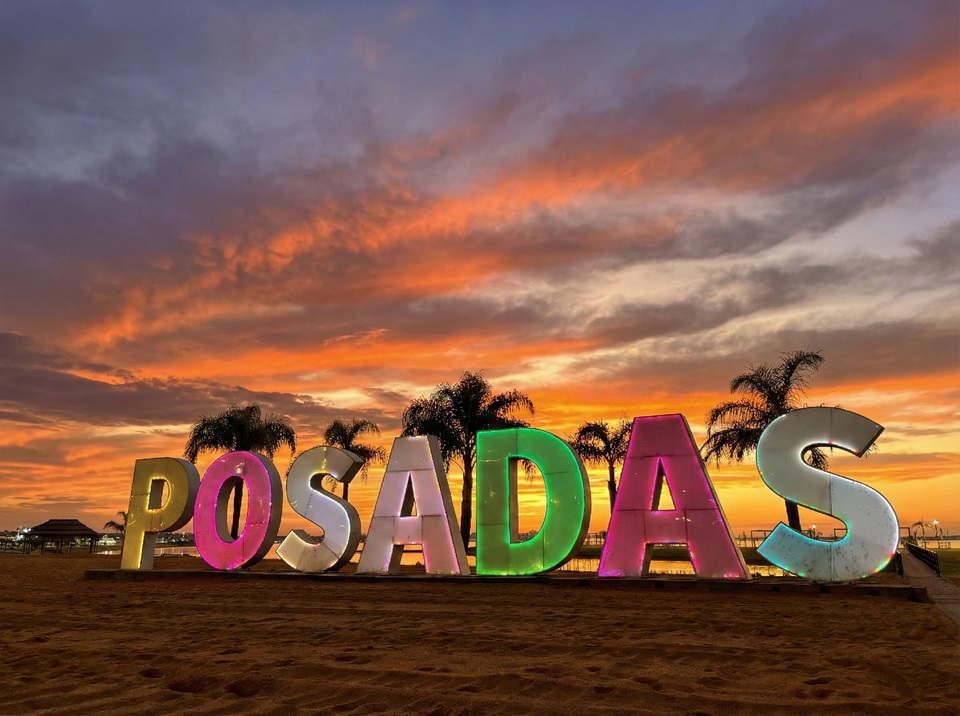
A Foreigner’s Guide to Misiones
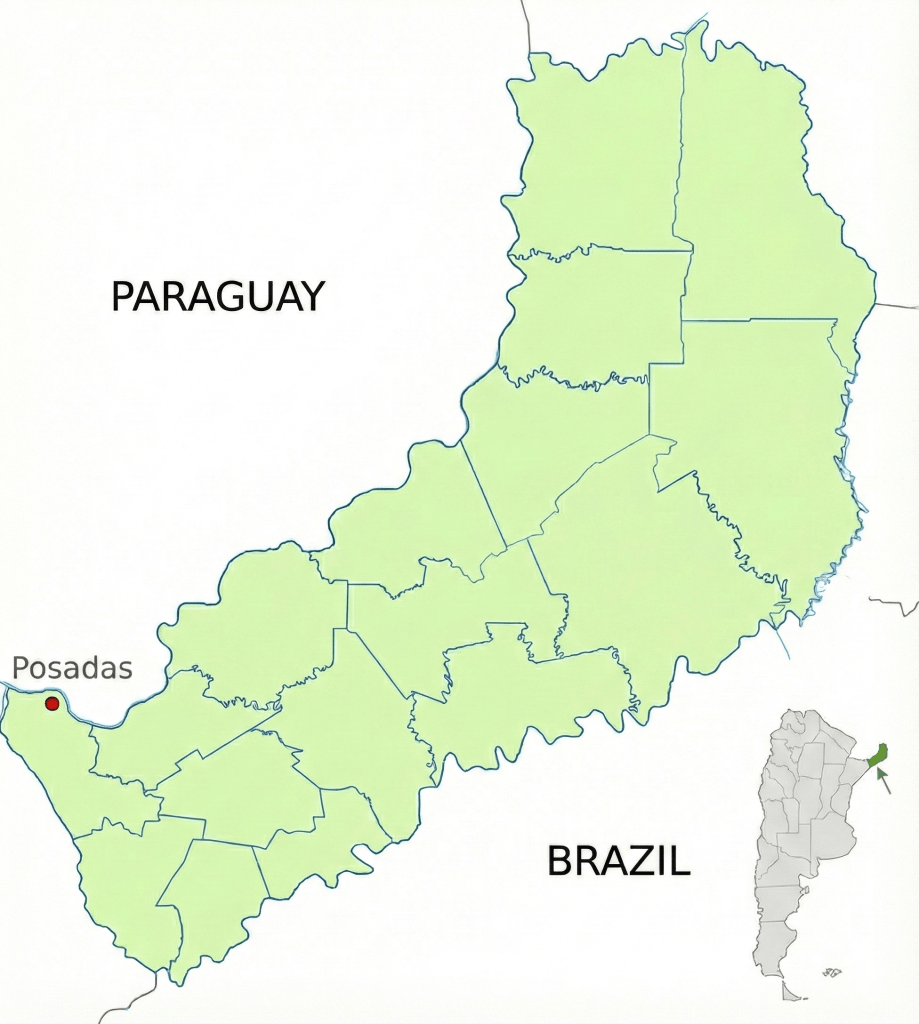
Posadas sits on the Paraná River in northeastern Argentina, directly across from Encarnación in Paraguay. It is the capital of Misiones Province and the gateway to its subtropical rainforest. From museums and street art to a sweeping riverfront promenade and hidden neighborhood corners, there is more to discover here than most travelers expect. Posadas may not be a typical tourist city, but it reveals its character to those who take the time to experience it.
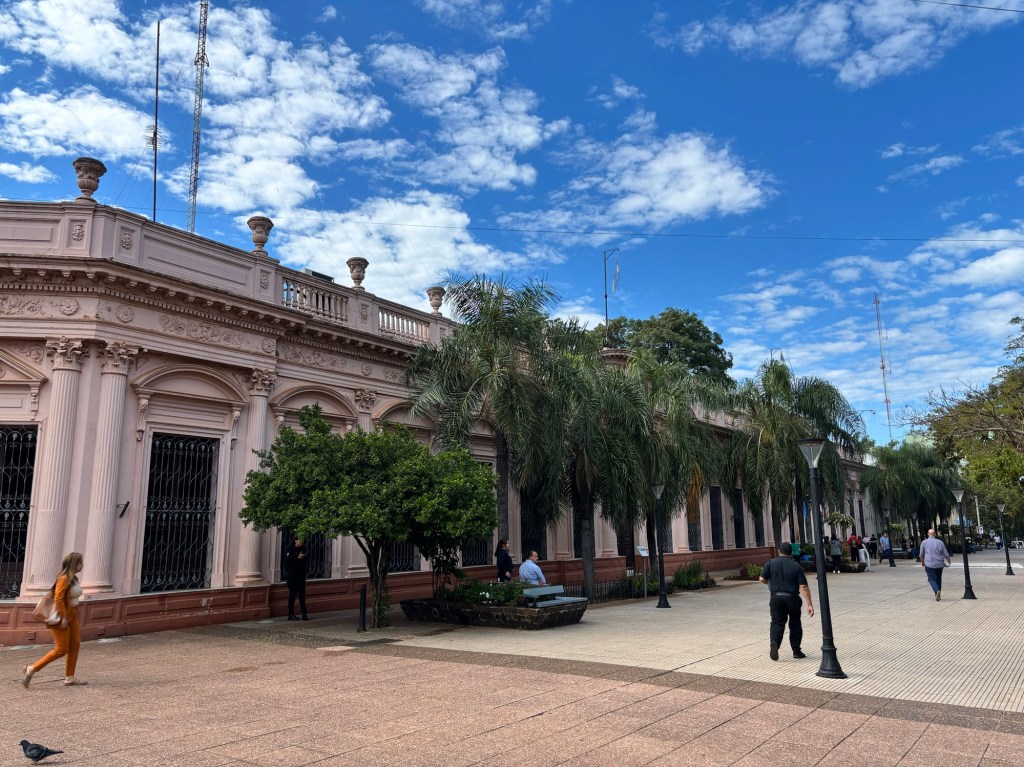
The central square, framed by the Cathedral of San José, the Government House, and the Italian Society, is a natural gathering point. Events, live music, and markets often take place here, giving visitors a sense of the city’s rhythm.
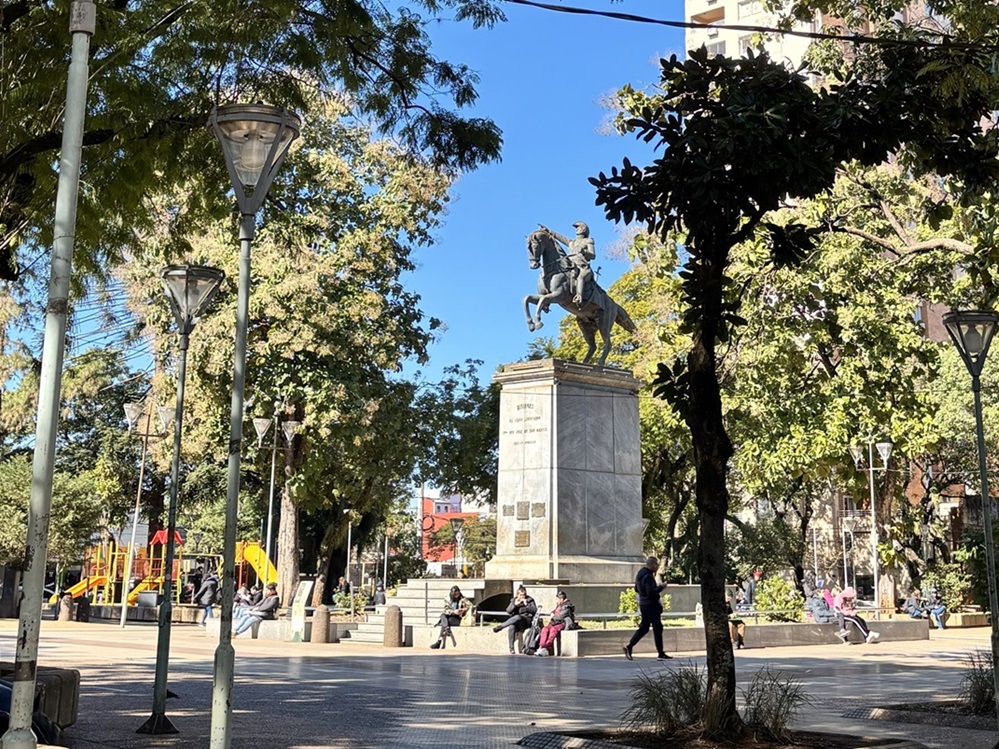
A quieter, shaded counterpart to Plaza 9 de Julio, this plaza honors General José de San Martín. It’s a favorite spot for locals to relax, children to play, students to read, and elders to share mate beneath tall trees.
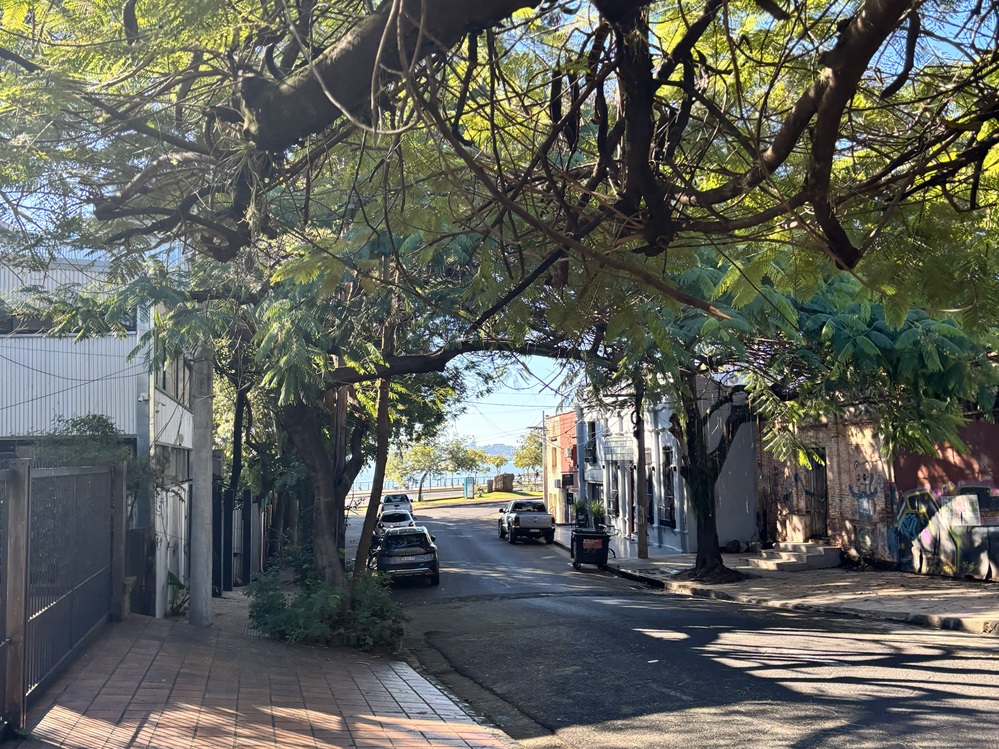
The oldest neighborhood of modern Posadas, once the city’s main access to the river, is today known for its traditional houses and colorful street art. Steeped in legend, song, and memory, it remains one of the most atmospheric places in the city, especially at sunset.
A symbol of friendship between Argentina and Paraguay, this green park includes an amphitheater, sculptures, and open lawns, perfect for relaxed afternoons.
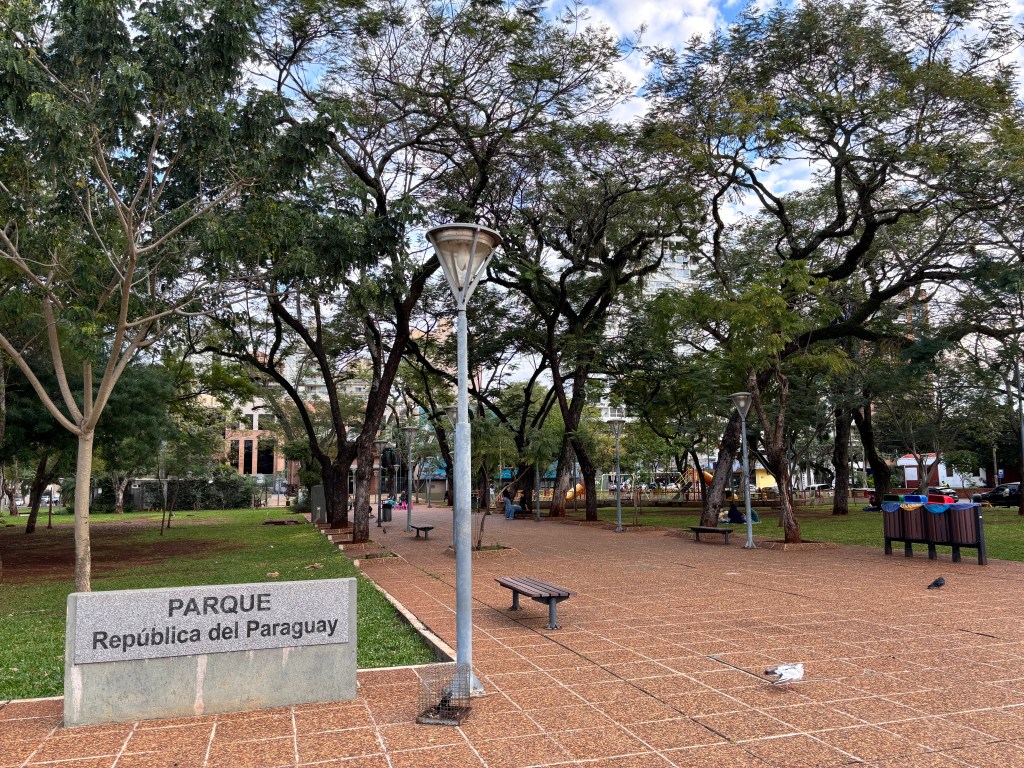
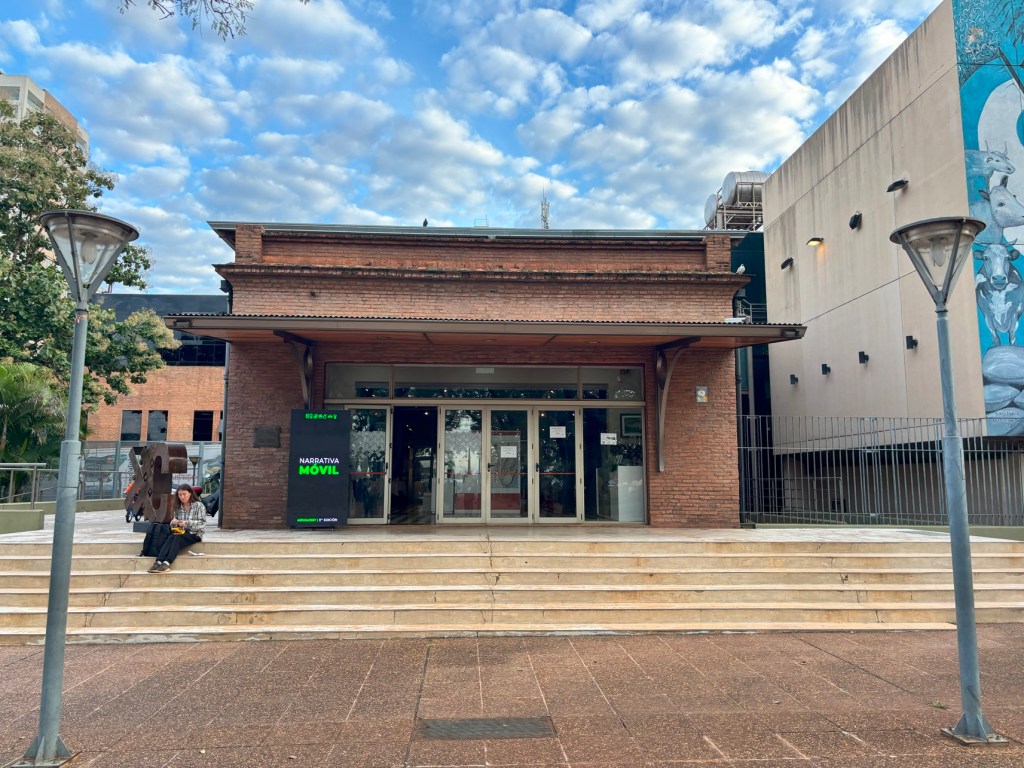
Housed within Parque Paraguayo, this museum tells the story of Misiones, from Guaraní culture and Jesuit missions to colonial daily life and natural history.
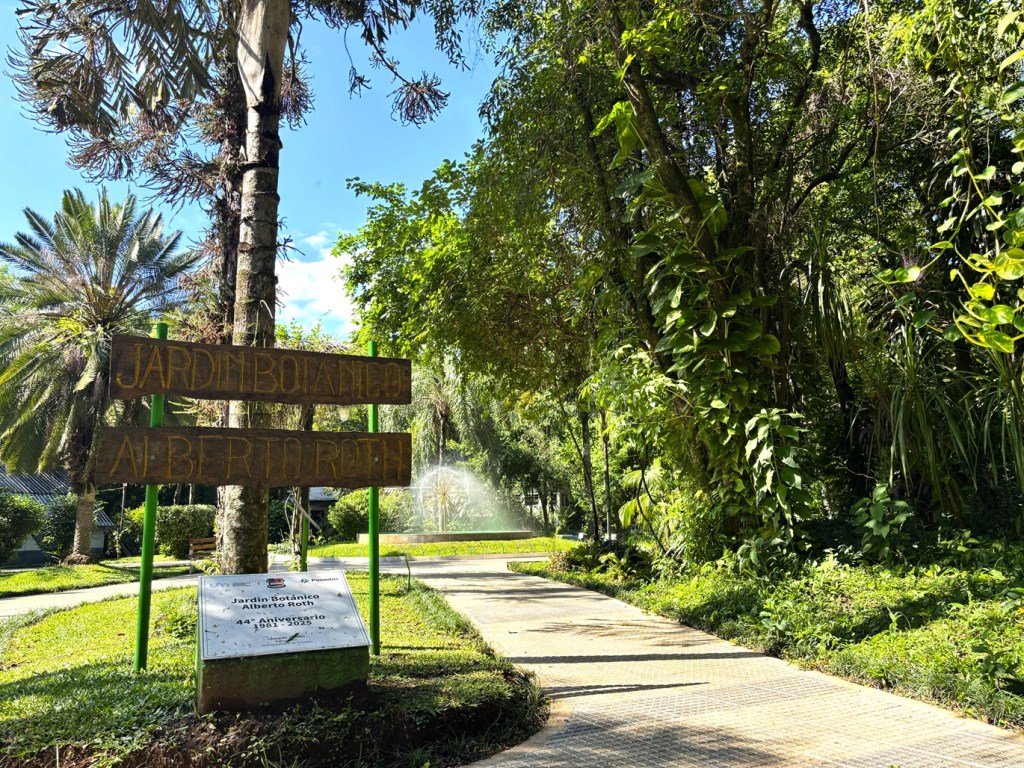
A large reserve in southern Posadas dedicated to native flora of the Atlantic Rain Forest. With walking trails, interpretive signs, and picnic areas, it is a haven for birdwatchers, nature lovers, and anyone needing a break from the city.
These highlights are just the beginning. Posadas has far more to offer than most travelers realize, and this page grows as new places are explored and written up. Below you will find everything covered so far.
The Museo Histórico y Arqueológico Andrés Guacurarí in Misiones offers an insightful exploration of the…
Keep readingParque Rural, situated near Posadas International Airport, is a hidden gem and nature reserve that…
Keep readingPaseo Bosetti, a quiet pedestrian passage near Plaza 9 de Julio in Posadas, holds a…
Keep readingEl Brete is Posadas’ urban beach, a transformation of the city’s riverside, opened in 2012.…
Keep readingOn the northern side of Plaza 9 de Julio rises the Catedral de San José,…
Keep readingYou wouldn’t expect to find Southeast Asian architecture in northeastern Argentina—but that’s exactly what makes…
Keep readingRight in the center of Posadas, at the corner of Roque Pérez and Buenos Aires,…
Keep readingThe roots of Posadas trace back to the early 17th century, when Spanish Jesuit missionaries founded the settlement of Nuestra Señora de la Inmaculada Concepción de Itapúa in 1615. This was part of the larger network of Jesuit reductions that once extended throughout the border region of present-day Paraguay, Misiones, and Brazil.
When the Jesuits were expelled from Spanish territories in 1767, many of these reductions, including Itapúa, were abandoned, leaving behind ruins and scattered communities. The area remained quiet for much of the 18th and early 19th centuries, but the Paraná River’s strategic importance as a trade route ensured it would not be forgotten.
By the mid-19th century, renewed interest in the region led to the founding of a new settlement (Trinchera de San José) on the riverbanks. In 1879, it was officially named Posadas, in honor of Gervasio Antonio de Posadas, Argentina’s first Supreme Director during the independence era. With the expansion of the Argentine railway and shipping networks in the early 20th century, the city grew rapidly, soon becoming the administrative and economic heart of Misiones Province.
Today, Posadas’s layered past is still visible in its colonial-style churches, the stories tied to its historic neighborhoods, and the pride locals take in both their indigenous roots and Argentina’s national history.
Posadas is directly connected to Encarnación, Paraguay, via the San Roque González de Santa Cruz International Bridge. This closeness creates a daily cultural and commercial exchange, with families visiting across borders, shoppers crossing for deals, and traditions that flow both ways. The Guaraní language and heritage unite both cities, reminding visitors that this region is older and richer than any borderline. For travelers, a day trip across the bridge to Encarnación adds another dimension to the experience of being in Posadas.


