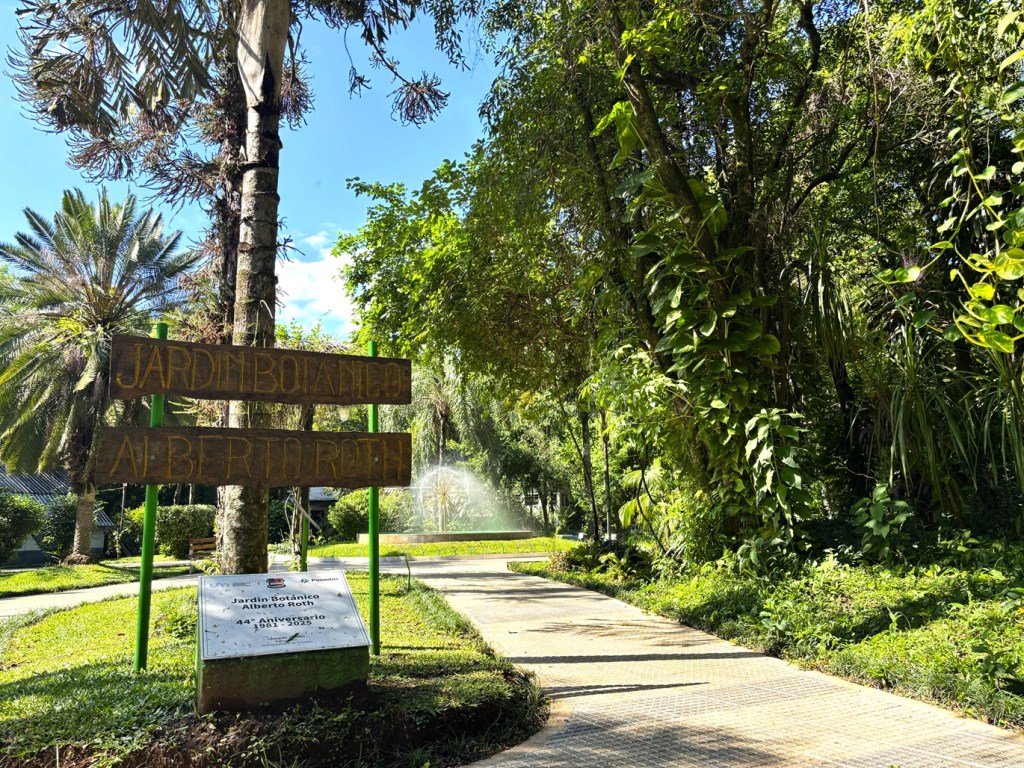
Located in the southeast of Posadas, just a short drive from downtown, lies one of my personal favorite places in the city: the Botanical Garden Alberto Roth.
Spread across 30 hectares of forest, trails, streams, and educational spaces, it offers something unique: a chance to experience and learn about the flora, structure, and atmosphere of Misiones’ rainforest without leaving the city.
Location: A Hidden Sanctuary Inside the City
The Botanical Garden is located in the southeast of Posadas, with its main pedestrian and parking access on Avenida Balcarce and Calle 31 A.
On the far side of the property runs the Arroyo Zaimán, a small stream that has grown into a rich wetland ecosystem due to the rise of the Paraná River. Today, it attracts dozens of bird species and offers one of Posadas’ best spots for birdwatching.
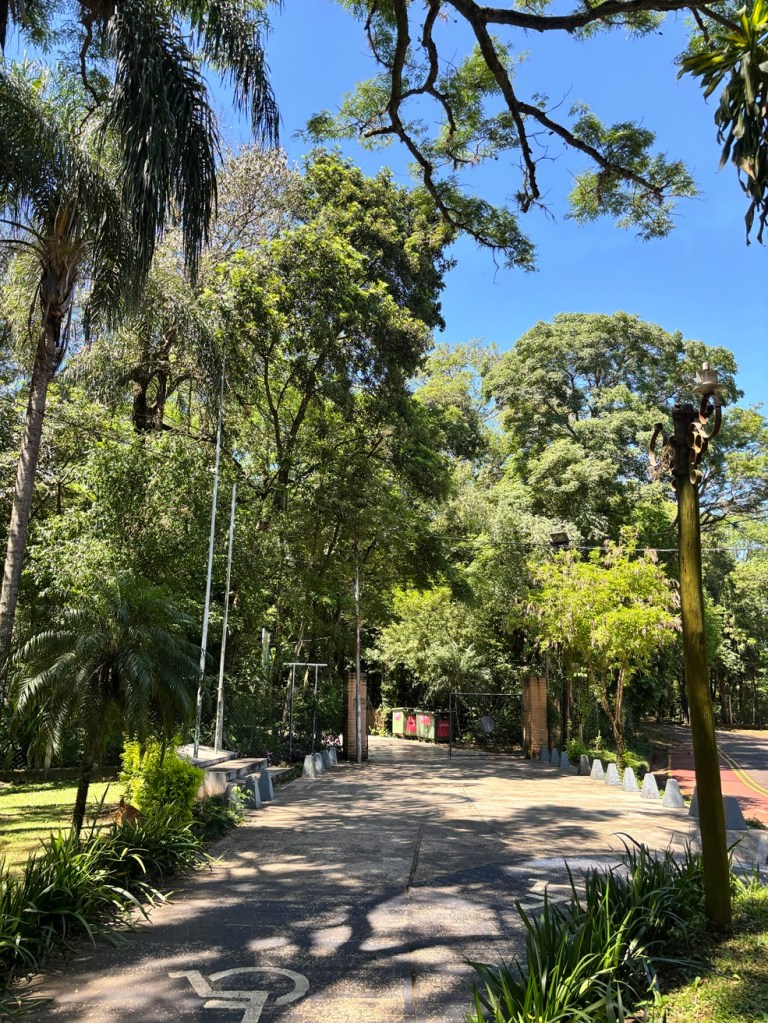
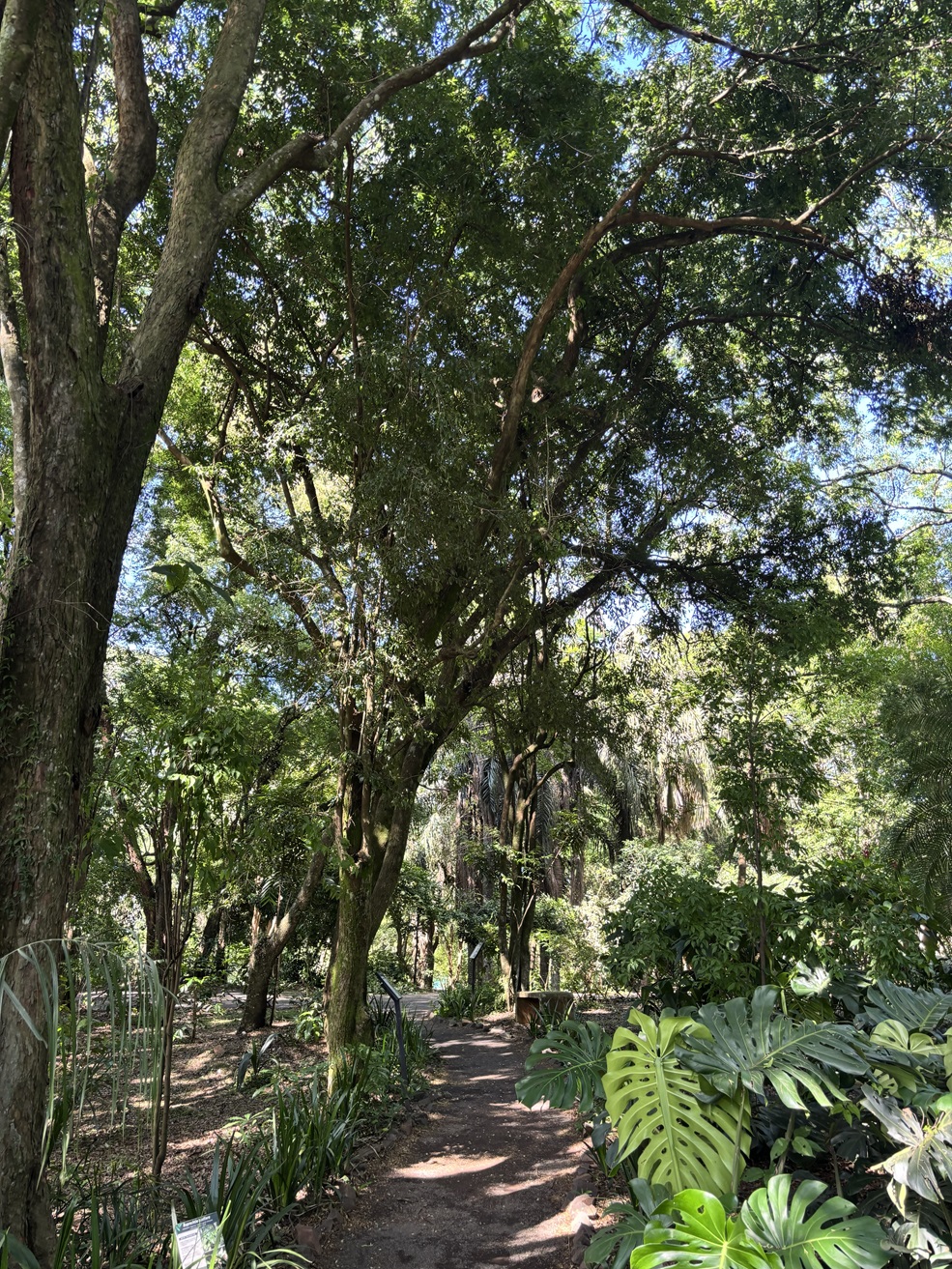
Even though it sits within the city, the garden feels surprisingly secluded. Once you step inside, the noise fades, the air cools, and the dense green canopy takes over.
A Brief History
The Jardín Botánico was inaugurated on March 13, 1981, originally covering 11 hectares donated by local landowner Oscar Adam.
Later, 19 additional hectares were incorporated through land recovered by Entidad Binacional Yacyretá (EBY) during shoreline treatment works.
On June 5, 1988, the garden officially received its name in honor of Alberto Roth.
Roth, a Swiss naturalist who arrived in Argentina in 1924. Roth was one of the early voices advocating for environmental conservation in Misiones, and his writings urged society to reflect on the consequences of destroying natural habitats.
Soon after the garden opened, the local community formed the Asociación Jardín Botánico y Biblioteca Popular John F. Kennedy (1982), a civic group dedicated to supporting and enriching the garden. In 1992, a small police outpost was inaugurated inside the grounds.
Today, the site continues to operate under the Municipal Government of Posadas, with a clear mission: education, preservation, and public engagement with the natural world.
Purpose and Vision
The Botanical Garden is designed to be much more than a park. Its goals reflect a long-term vision:
- To promote environmental awareness and respect for nature
- To serve as an educational space where visitors learn about native and exotic flora
- To act as a scientific and cultural resource for students, researchers, and nature lovers
The result is a living classroom that evolves tree by tree.
Exploring the Garden: Trails and Themed Areas
One of the best ways to experience the Jardín Botánico is simply to start walking. The garden is divided into several themed sectors, each offering a different glimpse into the regional environment.
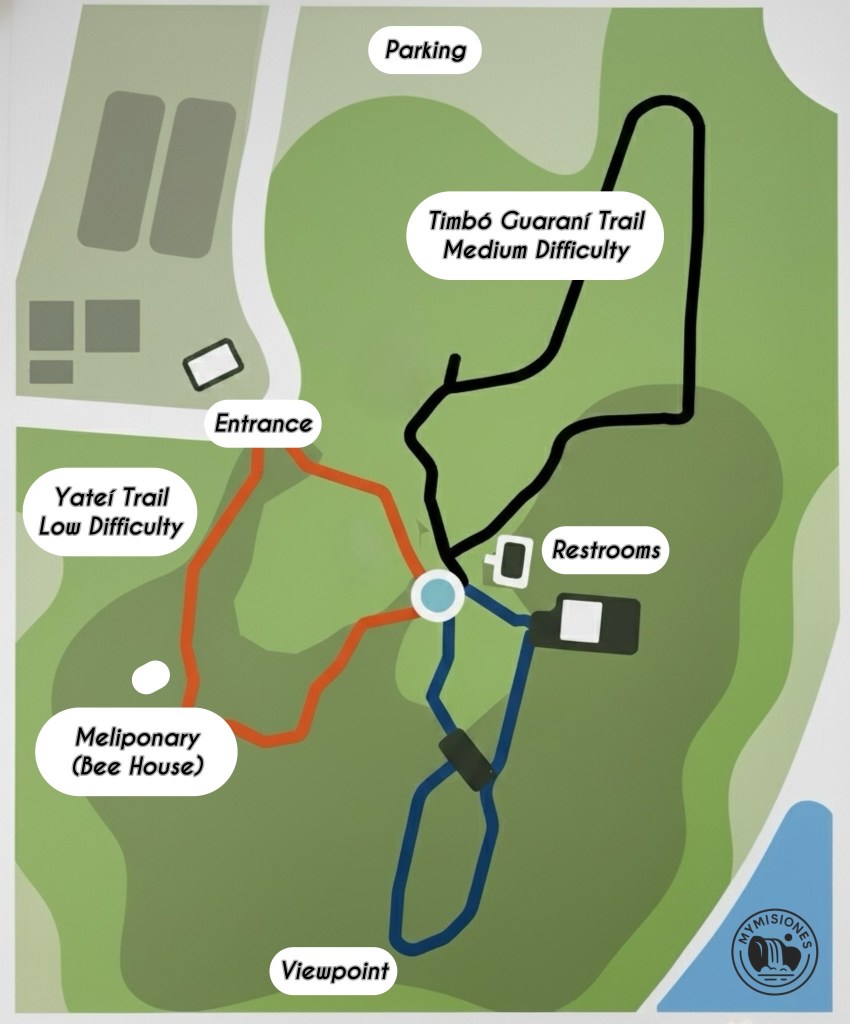
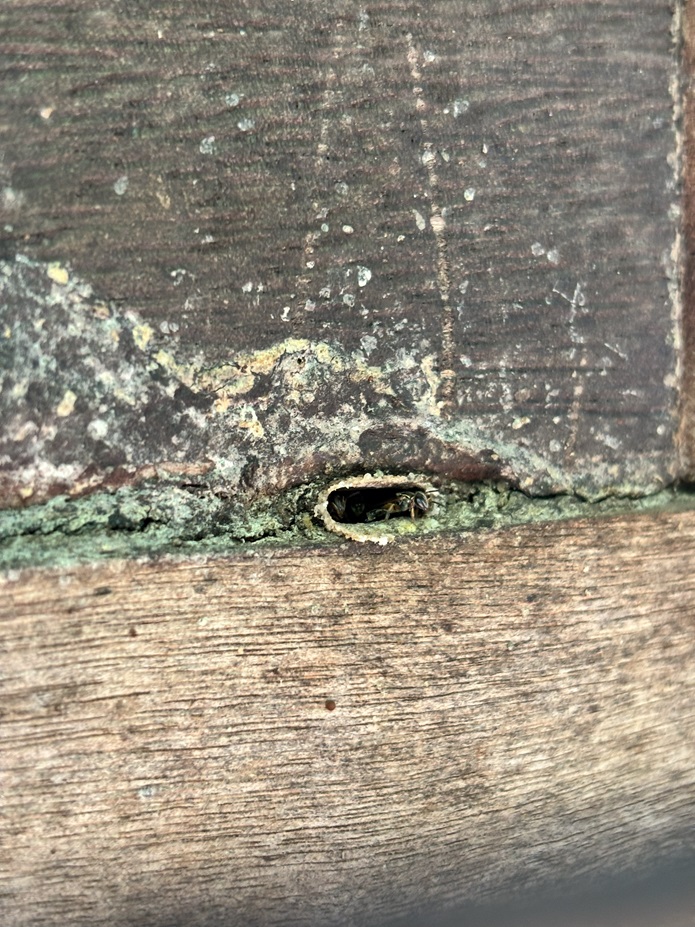
The most popular route is the Yateí Trail, a gentle 45-minute circular trail leading to the garden’s Meliponario (bee station).
Along the way, signs and QR codes provide information, audio guides, and small stories behind many of the featured plants. It’s ideal for families, students, and anyone who wants to discover the local flora in an interactive way.
The Meliponario: Home of the Yateí Bees
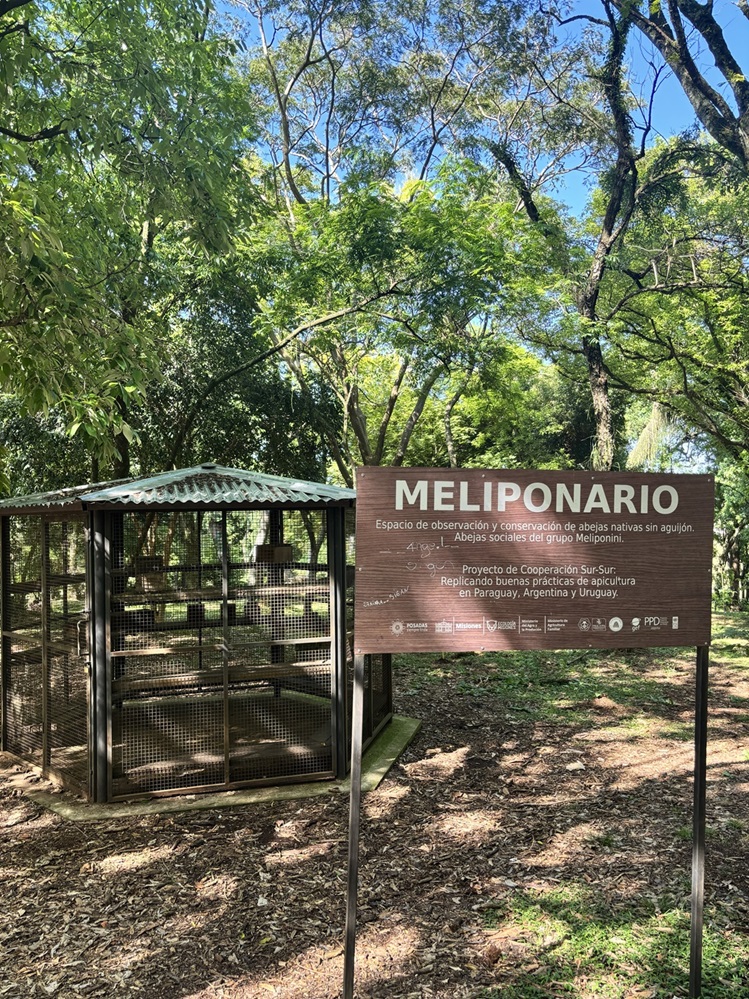
One of the most unique features of the garden is its Meliponario. It is a bee house, dedicated to the native stingless bee known as Yateí, part of the Melipona family. These bees play an essential role in pollinating both wild and cultivated plants.
The garden rescues nests from fallen trees or construction sites and relocates the colonies into wooden “micro-hives” that imitate tree trunks.
For many visitors, this is one of the most fascinating stops.
Birdwatching at Arroyo Zaimán
At the far edge of the property lies a bird observation station overlooking the Arroyo Zaimán.
Due to changes in water levels from the Paraná River, the area has gradually transformed into a small wetland rich in biodiversity.
Depending on the season, you might spot herons, kingfishers, flycatchers, ibis, and a wide variety of local passerines. It’s one of the best locations in Posadas for bird photography.
The Flora of Misiones — and the Five Layers of the Rainforest
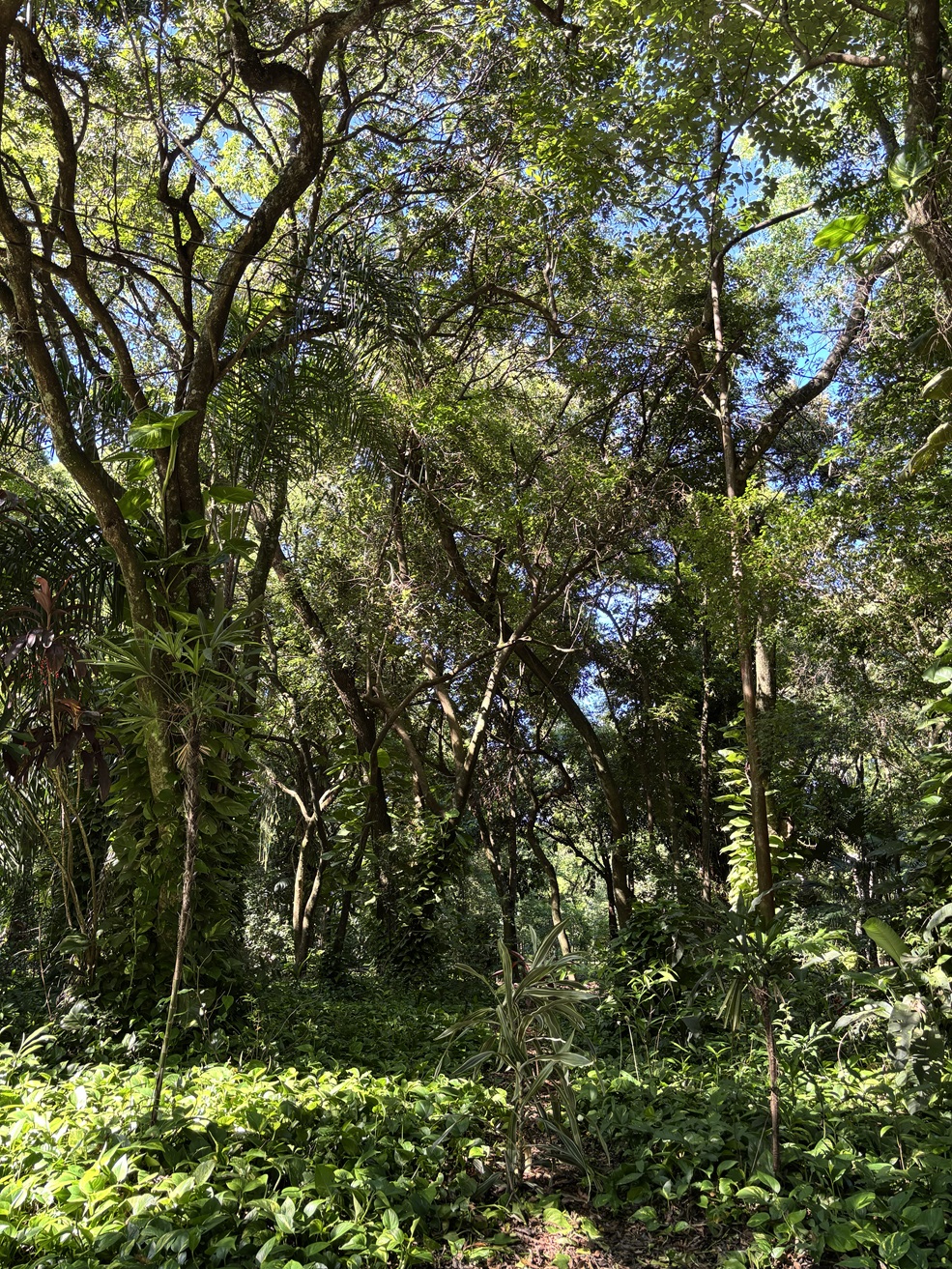
The Jardín Botánico is not only a beautiful place to walk, it’s also the best place in Posadas to understand how a rainforest works.
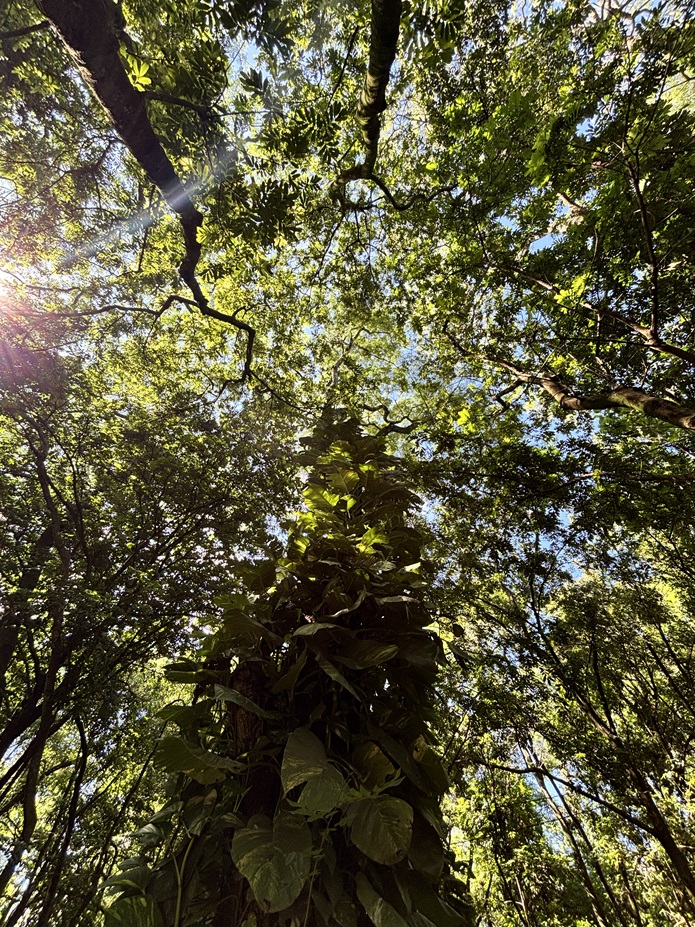
The Selva Paranaense, Misiones’ native rainforest, is famous for its extreme biodiversity: in some areas, a single hectare can contain more than 400 different plant species. This diversity grows in vertical layers, from the dark forest floor to the sunlit crowns of ancient giants.
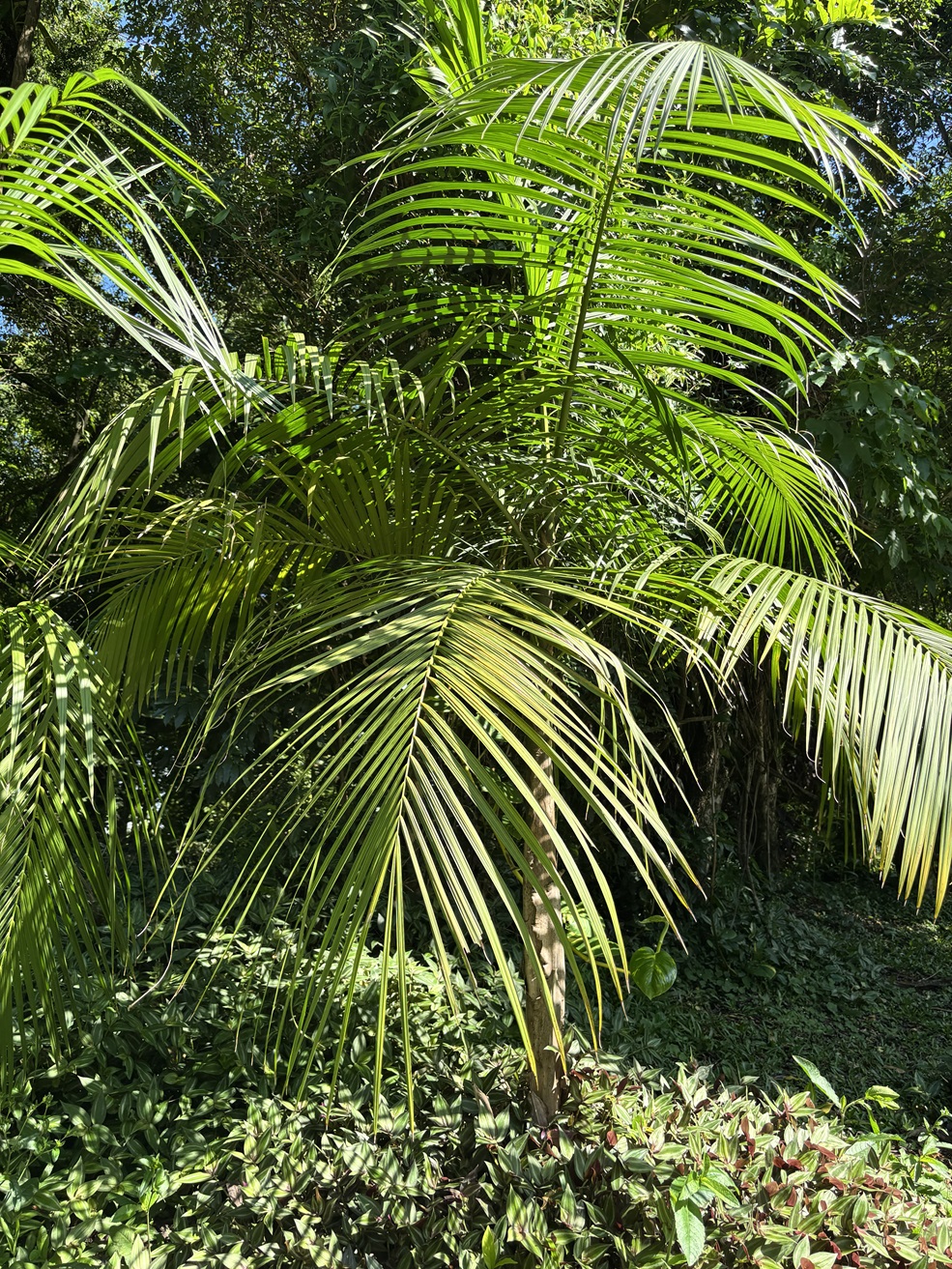
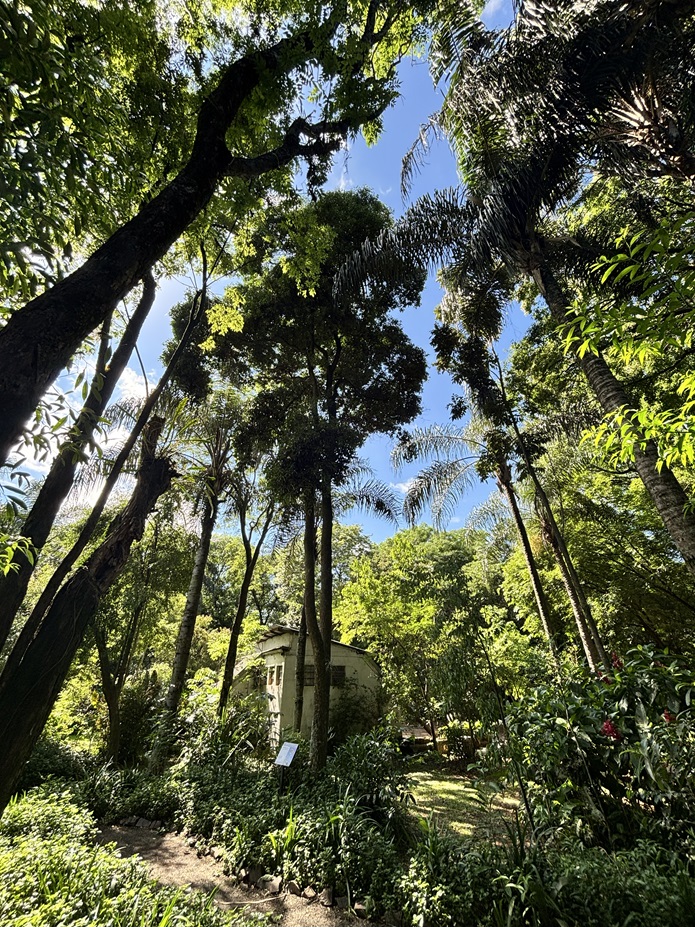
The Botanical Garden recreates this vertical architecture on a smaller, accessible scale. As you walk, you naturally move through the five layers of the rainforest, each one represented by native species found throughout Misiones.
1) Forest Floor
This is where the rainforest begins. The forest floor is dark, humid and rich with nutrients. It is the beating heart of the rainforest’s recycling system. Here, fallen leaves, branches, fruits, dead plants, and animals decompose and return to the soil, feeding every layer above it.
It is also the place where seeds germinate, roots anchor the forest, insects and fungi break down organic matter, and new life quietly begins.
You’ll find:
- mosses
- fungi
- seedlings and young sprouts
2) Understory
Just above the forest floor lies the understory, a world of deep shade where only about 2% of sunlight reaches the leaves.
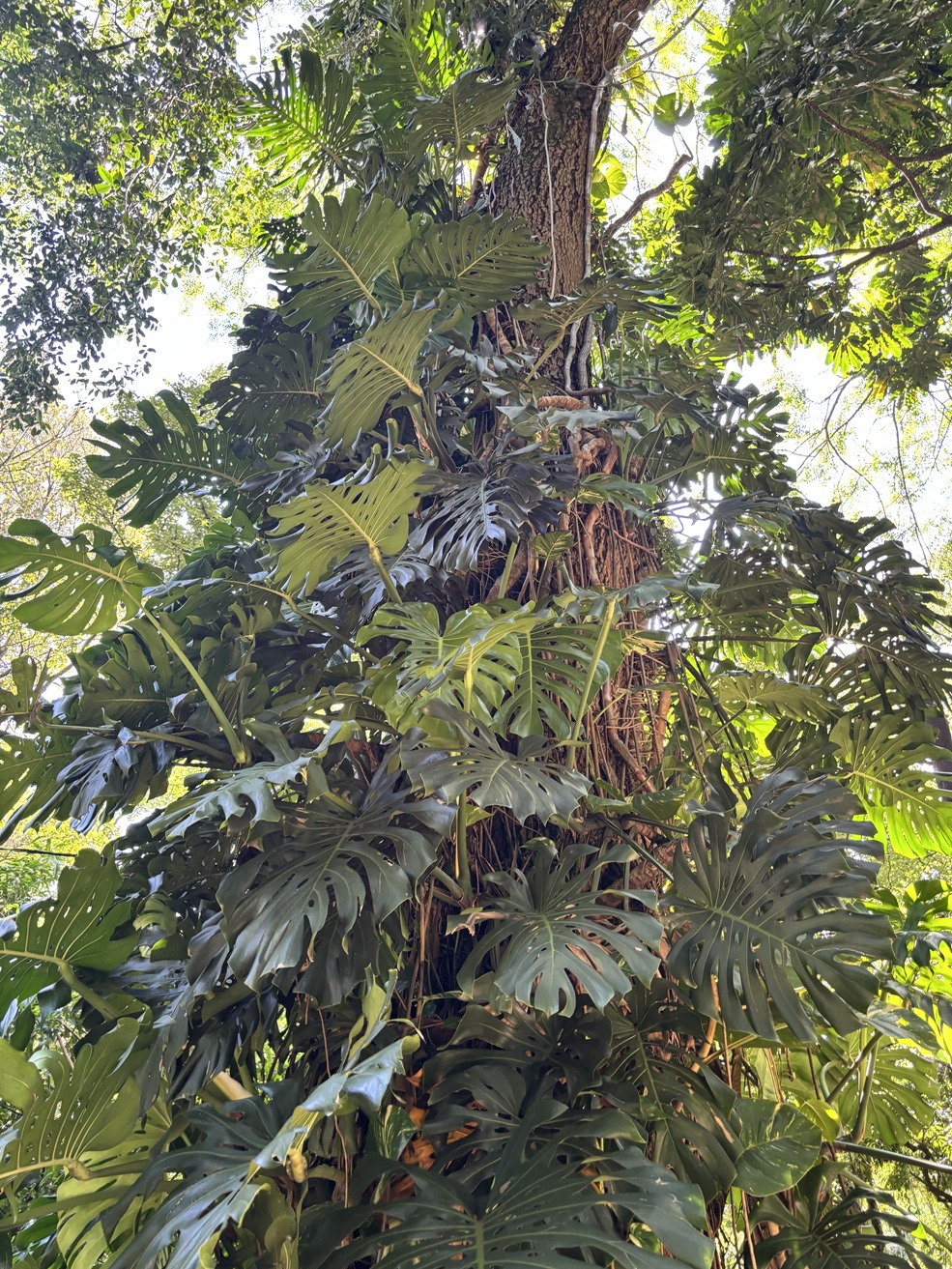
Plants that grow here must be masters of low light: they often develop large, wide leaves to catch every bit of sunlight that filters through the canopy.
You’ll see:
- young trees and saplings
- shade-tolerant shrubs
- broad-leafed plants
- ferns and other moisture-loving species
3) Intermediate Layer
Around 10% of sunlight reaches this level. Here, trees grow up to 15 meters high, competing for light but still protected beneath the canopy.
Many species start their life here before eventually reaching the upper layers. Others have adapted to the little light.
A key example from Misiones:
- Yerba Mate (Ilex paraguariensis): The plant from which we get the famous mate tea grows naturally in this middle layer, taking advantage of the soft, filtered light.
- lianas and climbing vines, weaving between trunks in search of sunlight
- epiphytes perched on branches, absorbing moisture from the air
4) Canopy
This is the iconic rainforest roof, stretching 20 to 30 meters high.
The canopy receives the most sunlight and is home to the majority of the rainforest’s plant and animal life.
In the Selva Paranaense, up to 300 different tree species can be found in this layer alone, reflecting the region’s extraordinary biodiversity.
Representative species:
- Cedro Misionero
- Lapacho Negro
5) Emergent Layer
Towering above the canopy are the emergent trees, the tallest in the rainforest. These giants stand fully exposed to sun and wind, rising far above the forest roof.
They are often centuries old and among the most emblematic species of Misiones, as they define the skyline of the rainforest.
Examples:
- Palo Rosa (Aspidosperma polyneuron)
- Pino Paraná (Araucaria angustifolia)
- Timbó (Enterolobium contortisiliquum)
Practical Information
Administration: Municipalidad de Posadas
Tourism Office
Phone: +54 3752 449094
Website: turismo.posadas.gov.ar
E-mail: turismo@posadas.gov.ar
Entrance: Free
Opening Hours: 08:00 – 19:30
Final Thoughts: Why You Should Visit
The Jardín Botánico Alberto Roth is one of Posadas’ most atmospheric places. It is a peaceful, green escape where you can learn, wander, breathe, explore, or simply enjoy a mate beneath the trees.
Whether you’re a nature lover, a student, a traveler discovering Misiones for the first time, or a local looking for a quiet afternoon, this garden is a place where the city gives way to the forest.
Once you enter, you’ll understand why it is one of Posadas’ most beloved natural treasures.
 My Misiones - A Foreigner's Guide to Misiones
Leave a comment