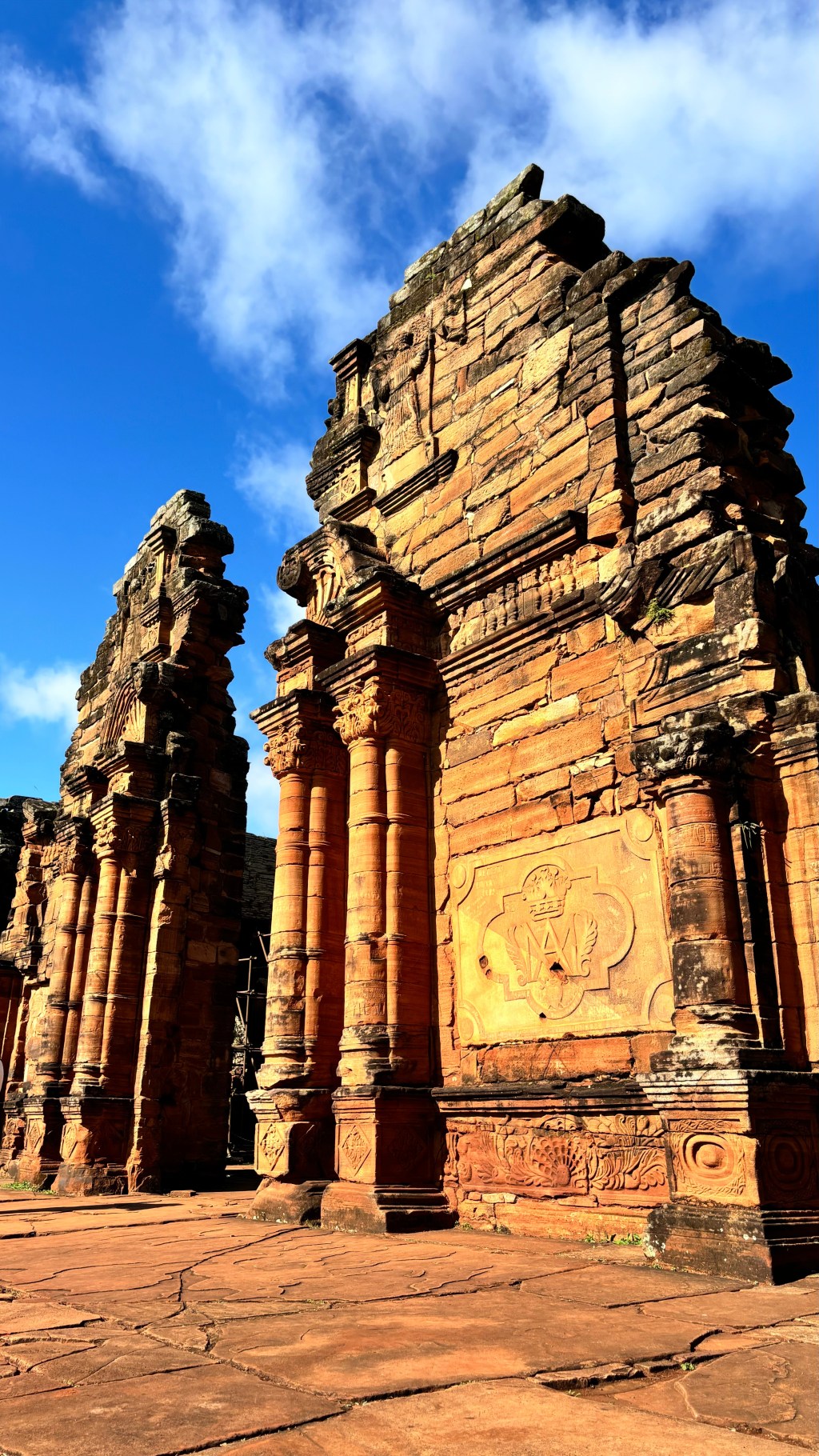
Among all the Jesuit missions in Misiones, San Ignacio Miní stands out as the most iconic. Located in the town of San Ignacio, about 60 kilometers east of Posadas, it is the best-preserved site of the Jesuit system in Argentina.
From Paraguay to Misiones
The mission of San Ignacio was first founded in 1610 on the banks of the Paraná River in present-day Paraguay. Constant attacks by bandeirantes, slave raiders from Brazil, forced the Jesuits and the Guaraní to relocate several times. In 1696, the community finally settled at the site you can visit today.
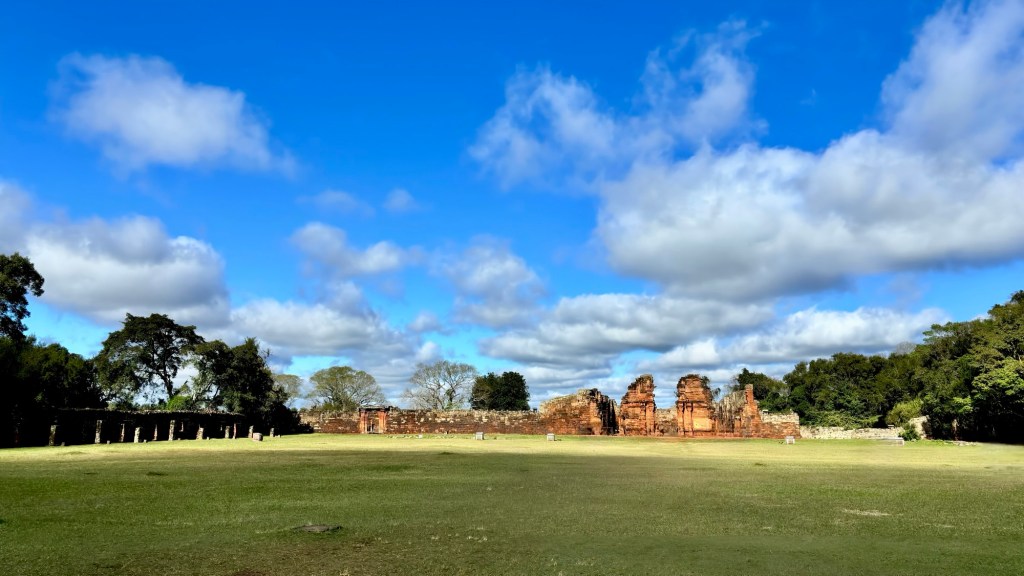
Architecture in Red Sandstone
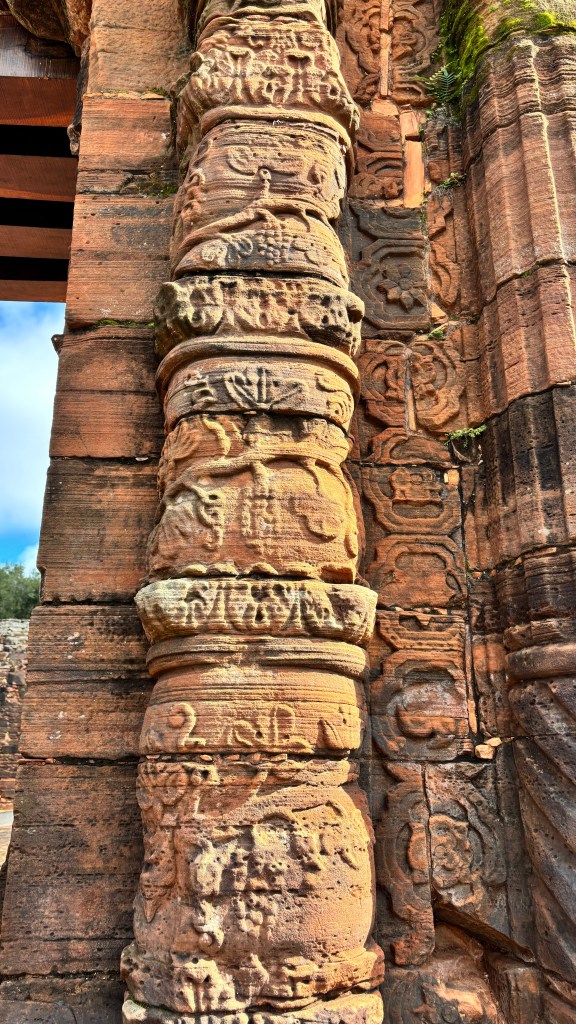
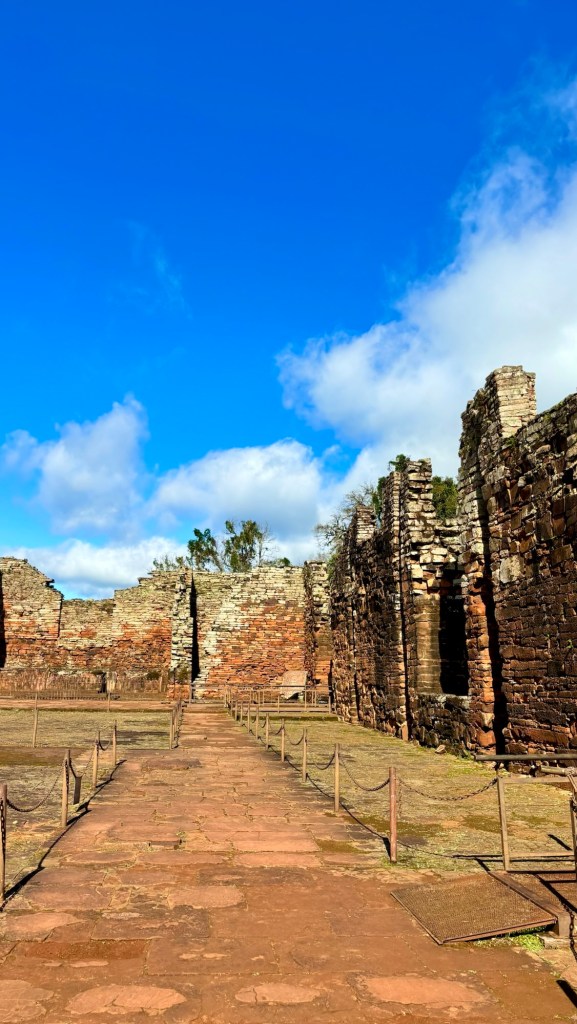
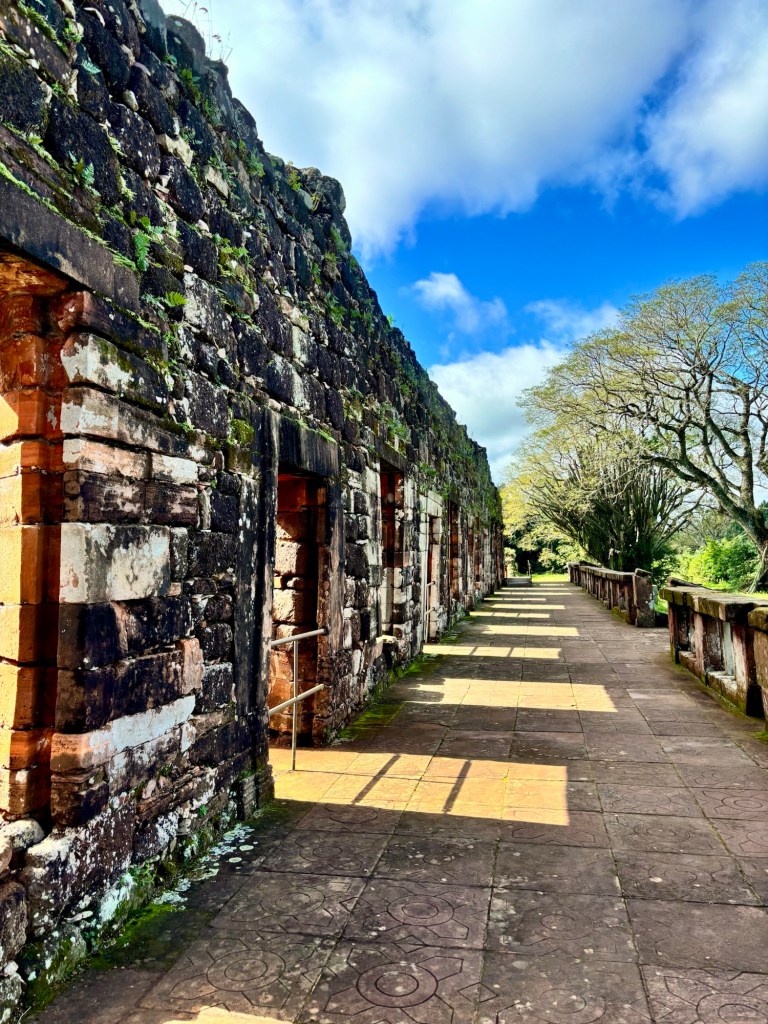
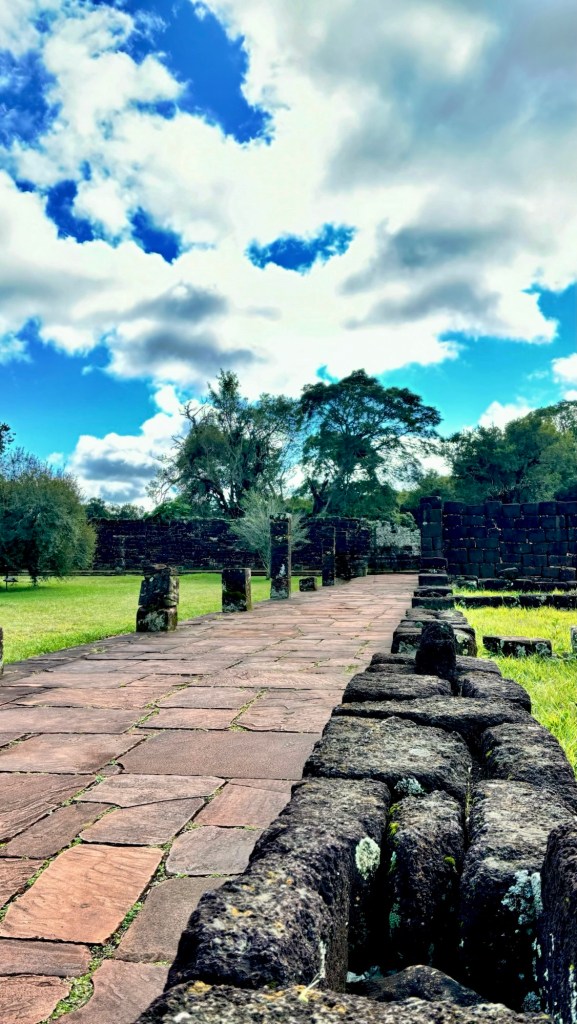
What makes San Ignacio Miní unique is its construction material: the deep red sandstone quarried locally, which gives the ruins their striking color. The church alone was impressive, 74 meters long, with a richly decorated façade. Many of the surviving carvings featuring floral patterns and animals.
They reveal a blend of European Baroque design and Guaraní artistic traditions. The layout of the town is still visible: a large central plaza, surrounded by the church, school, workshops, housing, and administrative buildings, shows how life in the mission was strictly organized.
Rise and Decline
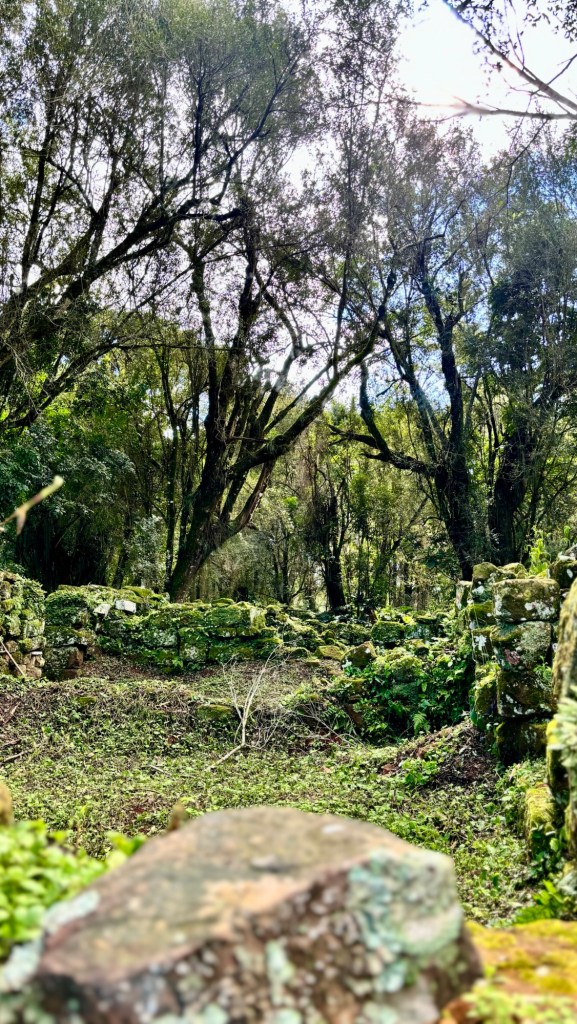
At its height, San Ignacio Miní housed more than 3,000 people, mostly Guaraní who worked in agriculture, built musical instruments, and created crafts. But after the expulsion of the Jesuits in 1767, the settlement was abandoned. Without leadership, the once-thriving community collapsed, and the tropical climate slowly reclaimed the site.
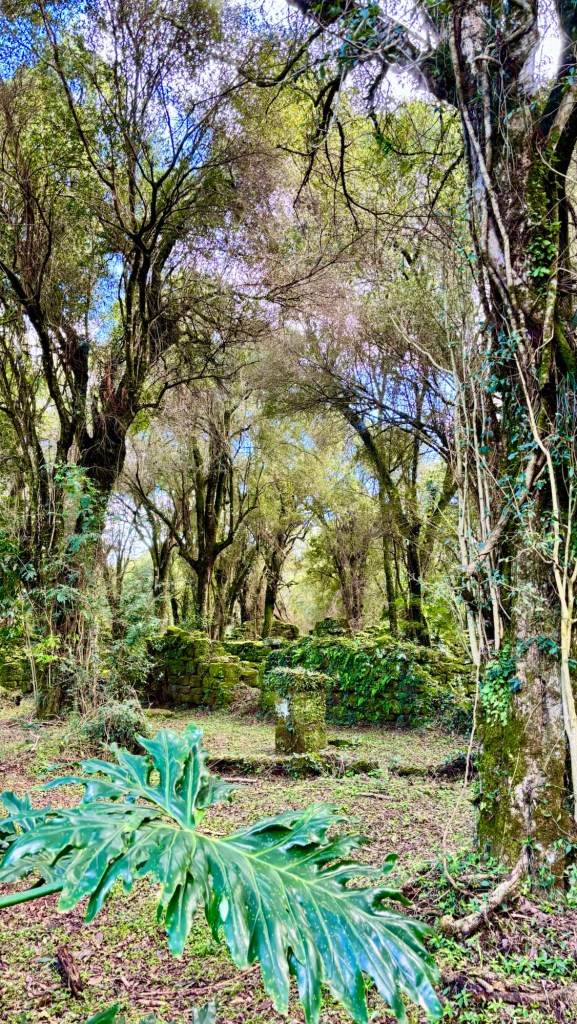
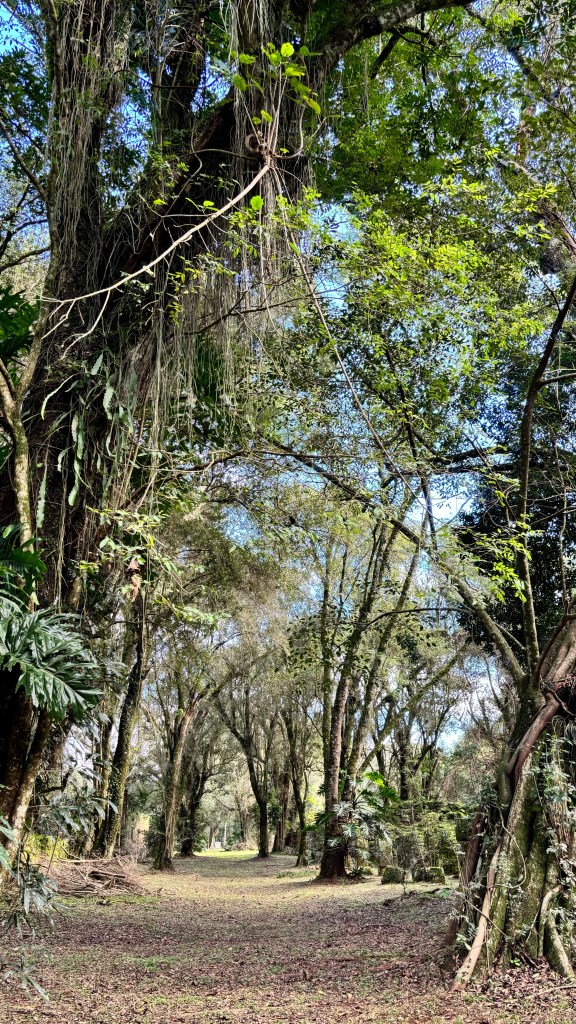
Rediscovery and UNESCO Heritage
By the late 19th century, explorers and historians rediscovered the ruins. In 1984, San Ignacio Miní, together with Santa Ana, Loreto, and Santa María la Mayor, was declared a UNESCO World Heritage Site. Today, it is the centerpiece of cultural tourism in Misiones.
Visiting Today
Walking through San Ignacio Miní, you can see the remains of the grand church, the central plaza, the workshops, and the houses. A visit usually takes around an hour.
In the evening during winter, a light and sound show brings the ruins to life, projecting stories and images that tell the history of San Ignacio and the Guaraní in an immersive way.
A Place for Reflection
San Ignacio Miní is not only a major tourist attraction, it is also a place to reflect on history. The ruins embody both sides of the Jesuit legacy: the attempt to offer protection, education, and culture to the Guaraní, but also the strict control and loss of autonomy that came with mission life.
The red walls of San Ignacio Miní whisper stories of both achievement and contradiction—inviting visitors to look deeper into the history of Misiones.
👉 Tip: Combine your visit with nearby missions like Santa Ana or Loreto. Less visited and more peaceful, they offer a fascinating contrast to the crowds at San Ignacio Miní.
🎟 Entrance & Tickets
Tickets can be purchased directly at the entrance or online via the official site: parques-misiones.boleteriadigital.com.ar. Please note that the online platform is only available in Spanish. Buying online, however, gives you the option of a combined ticket, which is valid for multiple Jesuit missions in the region (San Ignacio Miní, Santa Ana, Loreto, and Santa María la Mayor).
Opening Hours
San Ignacio Miní, Santa Ana, Loreto, and Santa María La Mayor are open daily (Monday to Sunday) from 7:30 a.m. to 6:00 p.m.
- Visitors may stay until 6:30 p.m.
- The last guided tour starts at 5:30 p.m.
Ticket Validity
One ticket is valid for 15 days from the date of purchase to visit the other reductions included in the combined ticket option.
Prices
- General admission (foreign visitors): ARS 17,000
- Argentine citizens (with DNI): ARS 7,000
- Misiones province residents (with DNI): ARS 2,500
 My Misiones - A Foreigner's Guide to Misiones