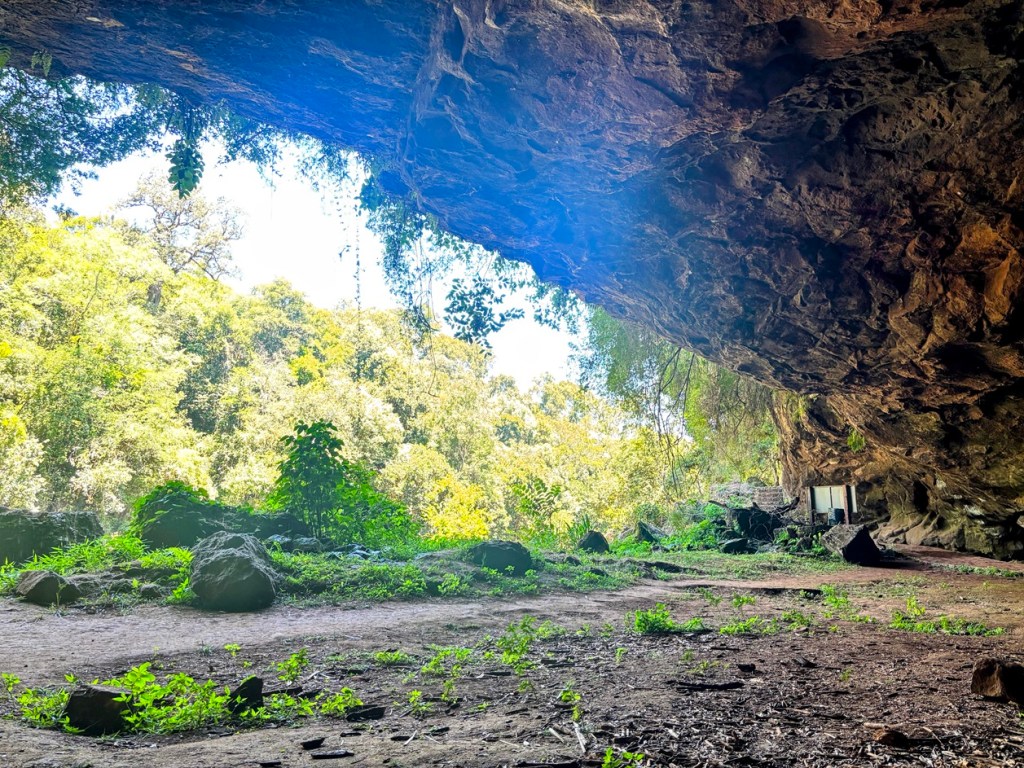
In the green heart of Misiones, where red earth meets deep jungle, there’s a place that feels older than time itself: Gruta India, a natural cave near the small town of Garuhapé.
What looks at first like just another sandstone formation soon reveals itself as a gateway into both the geological and human past of northern Argentina.
Location and Access
The Municipal Natural Park “Gruta India” lies about 6 km from the town of Garuhapé, halfway between Puerto Rico and Eldorado, and around 160 km north of Posadas.
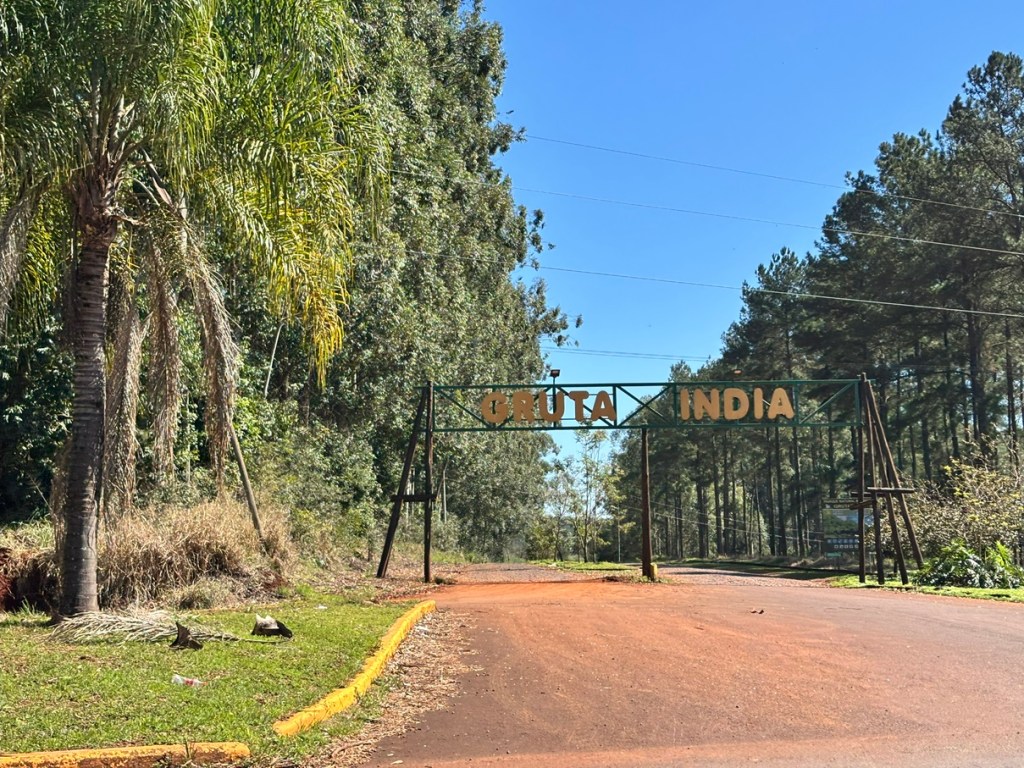
From Route 12, a dirt road winds through dense vegetation before opening up to the main park entrance. Even the drive feels like entering a different world.
Nature and Landscape
The cave sits within a patch of well-preserved native forest, surrounded by ferns, orchids, and tall trees typical of the Misiones jungle. The grotto itself measures around 40 m across, 30 m deep, and 7 m high, covering an interior surface of about 120 m².
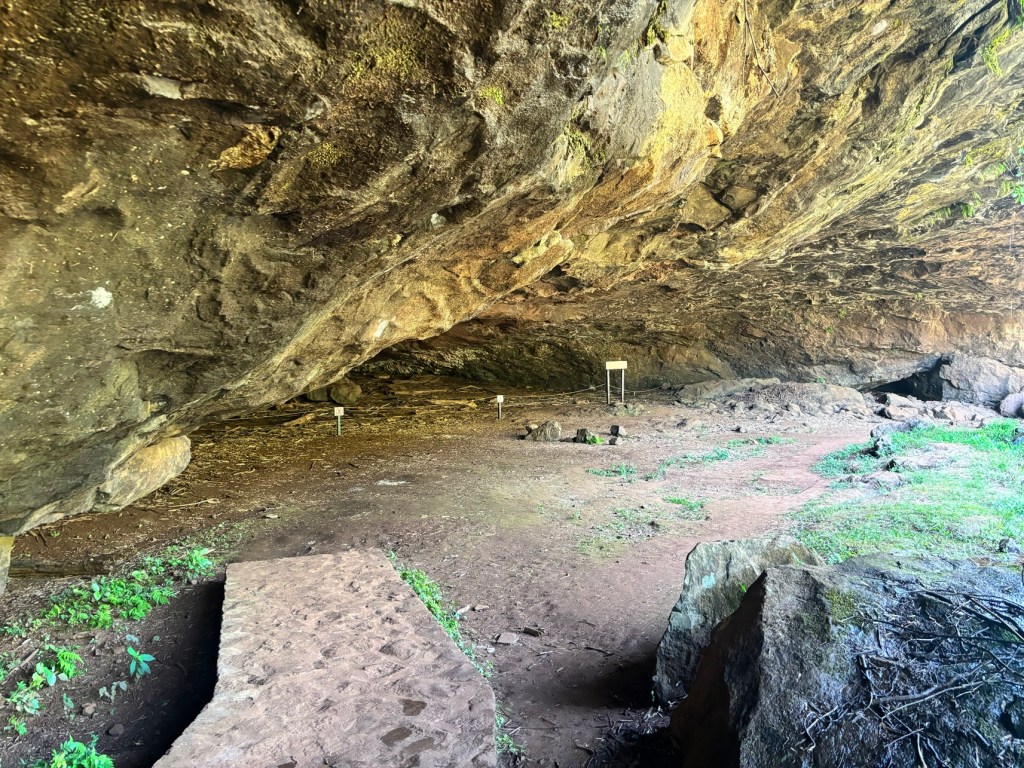
Over thousands of years, the region’s heavy rains and underground streams carved this sandstone into a series of smooth, flowing forms. Inside, the temperature drops noticeably. It is cool, humid, and echoing with the sound of dripping water.
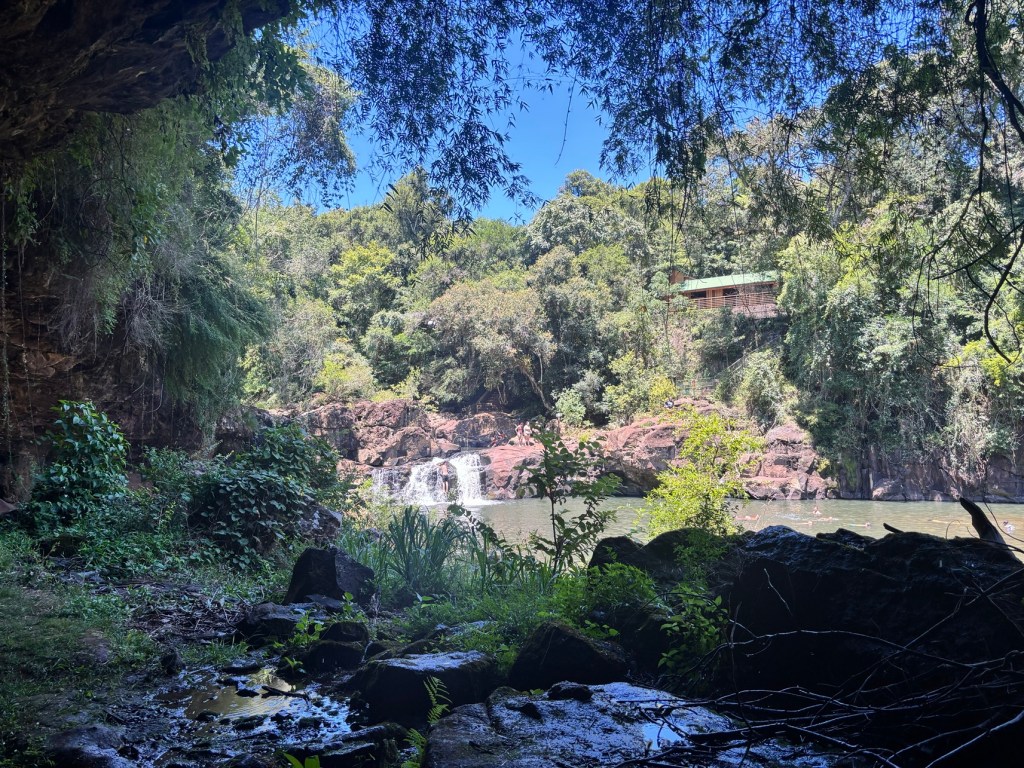
Just a few meters away, a small waterfall known as the Salto Tres de Mayo cascades five meters down into a natural pool, perfect for a refreshing dip on a warm day.
Archaeological and Historical Importance
Beyond its natural beauty, Gruta India is one of the most important archaeological sites in northeastern Argentina.
Excavations have uncovered stone tools, pottery shards, shell fragments, and even human remains, all dated by carbon-14 to be over 4,000 years old, between 3646 and 3982 BC.
These findings suggest that the cave once served as a shelter for ancient Indigenous communities, perhaps among the earliest inhabitants of the Misiones region. It’s easy to imagine small fires flickering in the darkness, their smoke curling up the cave walls as people sought protection from storms and wild animals.
Originally, the site was known as Gruta Tres de Mayo, but locals began calling it “Gruta India” to honor the memory of those early Indigenous peoples.
In 2005, it was declared Cultural Heritage of the Province of Misiones, and in 2021, it was incorporated into the Provincial System of Natural Protected Areas, ensuring its preservation for future generations.
Legend and Mystique
As with many sacred places in Misiones, myth and archaeology intertwine here.
Local legend tells of a young Indigenous woman who once hid inside the cave to escape a forced marriage. The forest took pity on her and sheltered her within its stones, some say her face can still be seen in the curves of the rock.
Over the years, stories have grown around the site: whispers of hidden treasures, silver and gold relics, or secret tunnels that run deeper underground. Whether true or not, these tales add to the sense of mystery that seems to hang in the humid air.
A Place of Peace and Discovery
Today, the Gruta India Park offers much more than a short walk through nature.
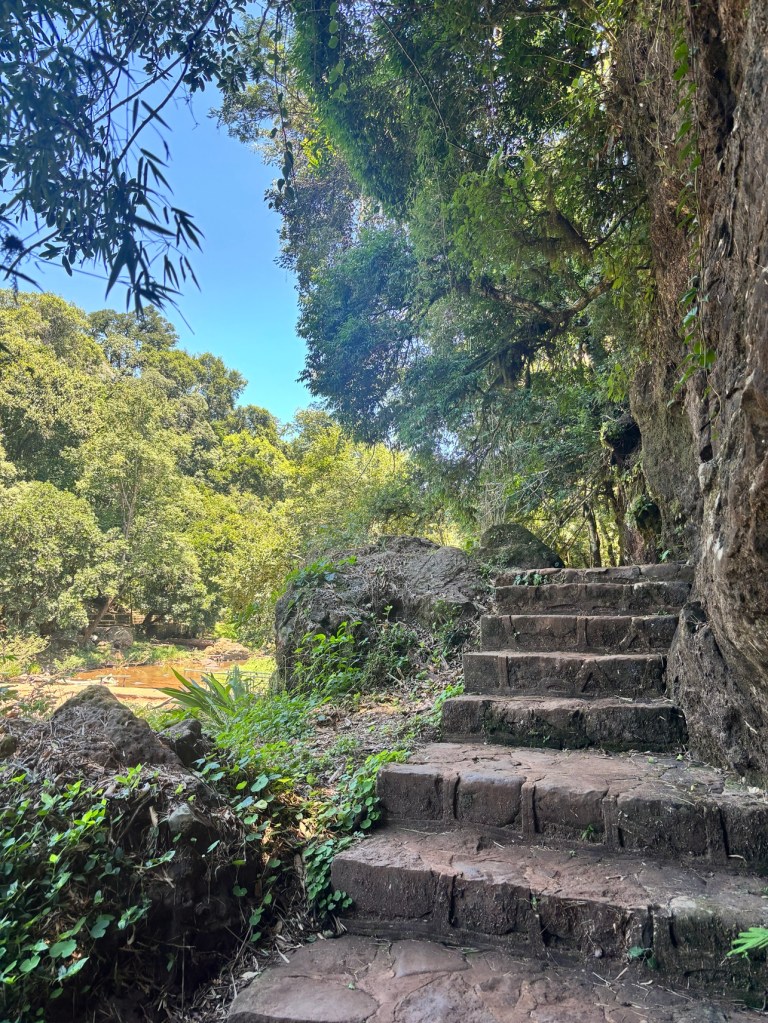
Visitors can hike marked trails, explore the forest, or simply sit in silence, listening to birds and the gentle flow of water.
There are cabins and camping areas, picnic spots, barbecue zones (quinchos), and a small kiosk for snacks and drinks.
Entrance fees currently cost ARS 2,500 for visitors and ARS 1,500 for residents of Garuhapé, though prices may change over time.
The park follows strict environmental rules: no pets, no hunting, no fishing, and low music to protect the delicate ecosystem that surrounds the grotto. The park is open daily from 8 a.m. to 8 p.m.
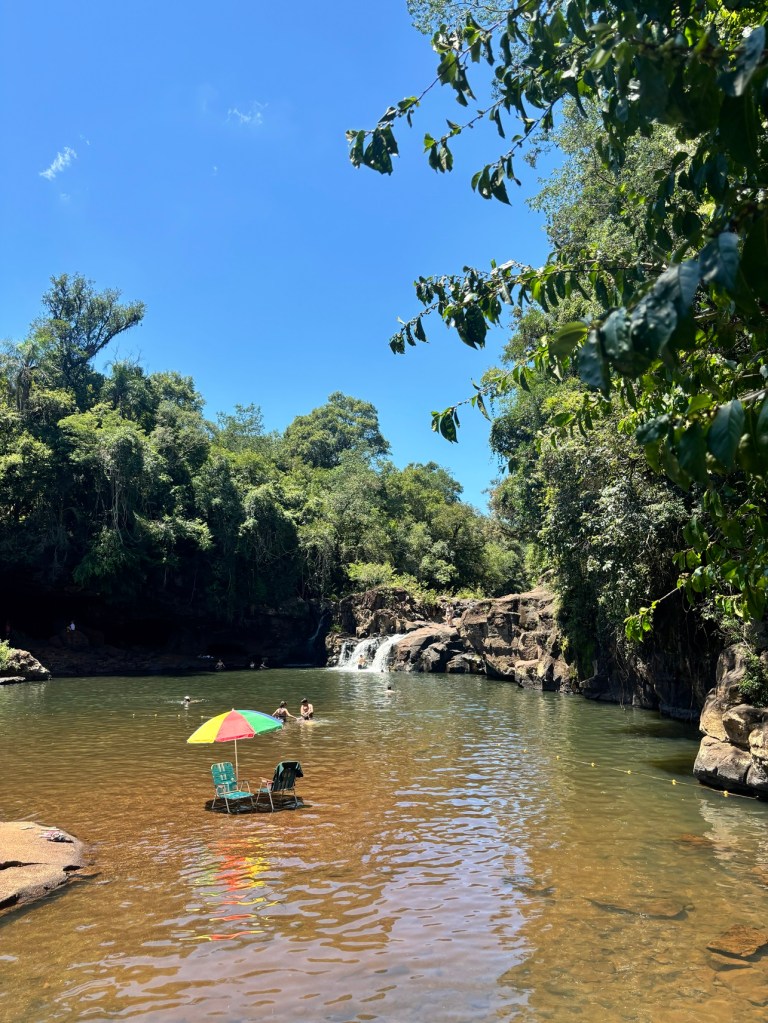
Occasionally, during summer nights, the site hosts astronomy evenings, dinners, and stargazing events where visitors can enjoy the night sky far from city lights. The silence of the forest, broken only by the sounds of nocturnal animals, makes the experience unforgettable.
Why Visit?
Visiting Gruta India is not just a trip into nature, it’s a journey into time, myth, and identity.
Few places in Misiones combine so harmoniously the beauty of the landscape, the traces of ancient cultures, and the spiritual calm that comes from being surrounded by living jungle.
Sources and References
- Entorno Turístico – Gruta India, un tesoro escondido en el corazón de Misiones
- Radio Up – Un paseo por la Gruta India
- Turismo Misiones – Descubre la Gruta India: un tesoro natural en Puerto Rico–Garuhapé
- Anguacurari – Parque Natural Gruta India, para disfrutar del verano
- Facebook – Gruta India Garuhapé Official Page
 My Misiones - A Foreigner's Guide to Misiones
Leave a comment