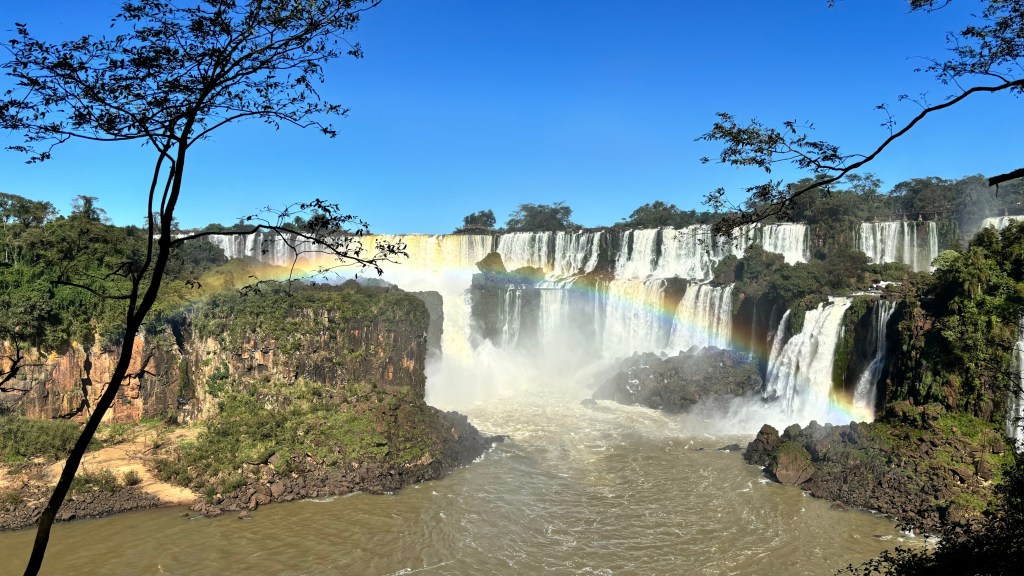
Argentina’s Gateway to One of the World’s Natural Wonders
The Iguazú Falls, known in Spanish as Cataratas del Iguazú or in short Las Cataratas, are one of the planet’s most incredible natural spectacles. Forming the border between Argentina and Brazil, they are part of a vast subtropical ecosystem whose biodiversity is surpassed only by the Amazon Rainforest.
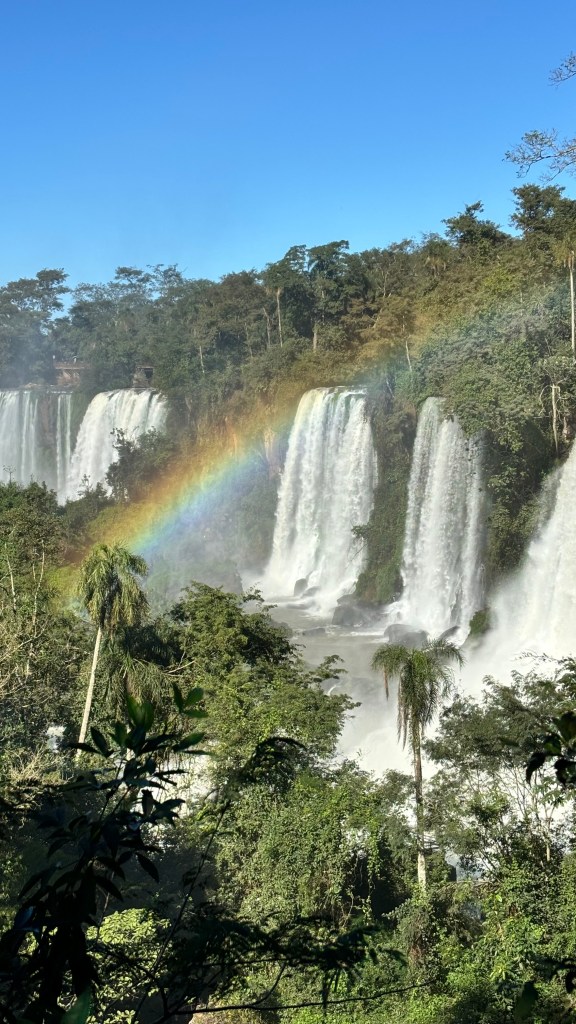
Although both countries share this wonder and each protects its section through a national park, roughly 80 percent of the cascades lie within Argentina’s Misiones Province.
Quick Overview
- Location: Misiones Province, Argentina / Paraná State, Brazil
- UNESCO World Heritage Site: Since 1984 (Argentina) and 1986 (Brazil)
- Number of falls: ~275 individual drops
- Height: Up to 82 meters
- Protected Areas: Nearly 2,600 km² of rainforest across Iguazú National Park (Argentina) and Iguaçu National Park (Brazil)
Geological Formation
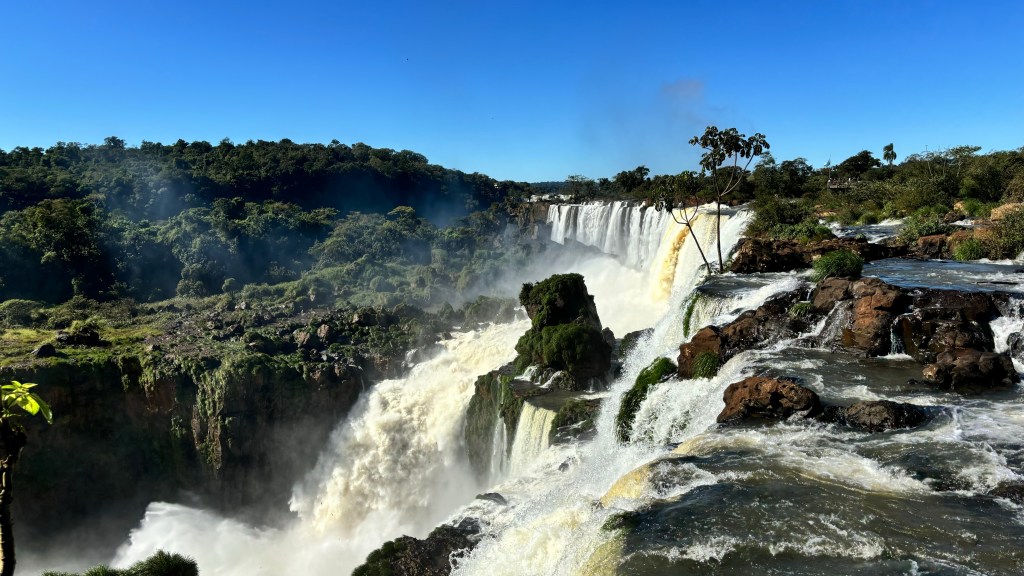
The story of Iguazú’s creation begins some 120 million years ago, when immense volcanic eruptions spread vast basalt flows across the Paraná Basin, forming what geologists call the Serra Geral Formation. This thick layer of hard volcanic rock covered much of southern Brazil, Paraguay, and northeastern Argentina. Later, as the Andes began to rise in the west of the continent, tectonic pressure spread eastward across the South American plate. The rigid basalt, too hard to fold like the mountains, fractured instead, creating faults and cracks. Over time, the Iguazú River exploited these weaknesses, eroding softer layers beneath the basalt. Where the rock gave way, the river dropped abruptly, carving the great escarpment over which it still plunges today. Even now, the falls continue their slow upstream retreat, a reminder that this natural wonder remains a geological work in progress.
A Brief History
- Before Europeans: The Guaraní revered the falls as sacred, calling them Iguazú (“Big Water”).
- 1541: Spanish explorer Álvar Núñez Cabeza de Vaca became the first European to describe them, naming them Saltos de Santa María.
- Why the name changed back: The Guaraní name remained in everyday use, favored by locals and later by travelers for its descriptive power.
- 19th century: Iguazú became the standard name on maps and in travel literature.
- 1934: Argentina established Iguazú National Park, later recognized by UNESCO for its global significance..
Legends of the Falls
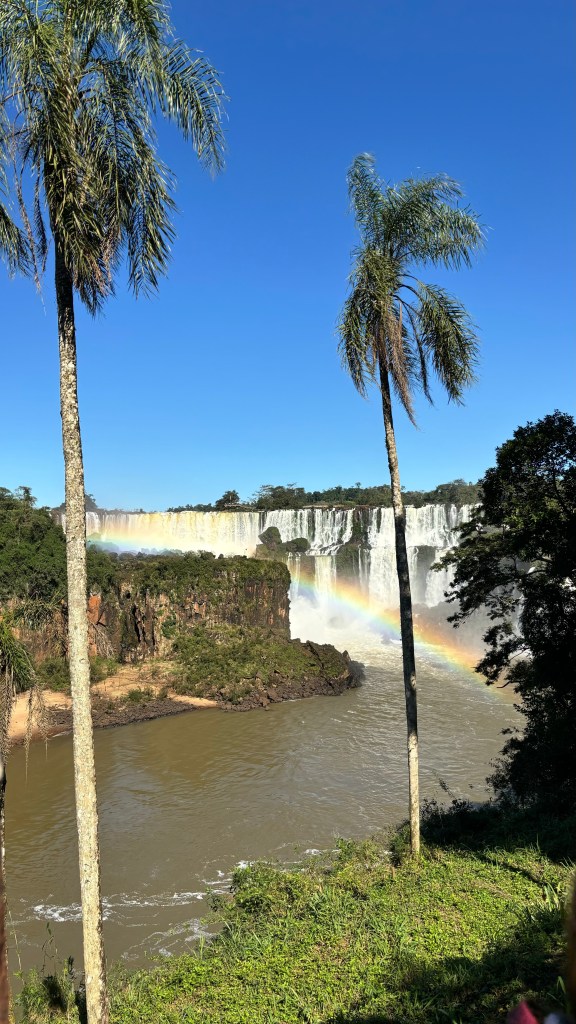
According to Guaraní mythology, the falls were formed out of divine anger. The serpent god Mboi was in love with a beautiful woman named Naipí, who fled with her human lover Tarobá in a canoe. In his rage, Mboi split the river in two, creating the waterfalls and condemning the couple to eternal separation:
Naipí transformed into a rock at the base of the cascades, and Tarobá into a palm leaning toward her. Even today, some say you can see their forms in the landscape.
Getting to the Iguazú Falls
Reaching the Argentine side of the Iguazú Falls is easy once you know the available options. Whether you arrive by plane, by long-distance bus, or are already staying in Puerto Iguazú, the connection to the National Park is straightforward.
By Air
Daily flights from Buenos Aires, both from Ezeiza and Aeroparque, arrive at Puerto Iguazú Airport in about one hour and forty-five minutes. From the airport, taxis and shuttle services need around twenty to twenty-five minutes to reach the town or the National Park.
By Long-Distance Bus
Travelling overland is common and comfortable.
From Buenos Aires, the journey takes around eighteen to twenty hours in overnight coaches.
From Posadas, the trip takes roughly six hours.
From other towns in Misiones, regional buses run several times per day.
All long-distance routes arrive at the main bus terminal in Puerto Iguazú, which is the starting point for all local connections.
Getting from Puerto Iguazú to the Falls
This is where most visitors have questions, but the process is very simple.
The most reliable and recommended option is Rio Uruguay.
Their buses leave every twenty to thirty minutes throughout the day.
They depart directly from the bus terminal in Puerto Iguazú.
The ride to the park entrance takes about twenty-five to thirty minutes.
Tickets can be purchased at the Rio Uruguay counter inside the terminal or directly from the driver.
Rio Uruguay is known for being consistent and easy to use, which is why both locals and experienced travellers prefer this company.
Taxis and Remises
A taxi or remise takes about twenty minutes from most hotels to the National Park. Prices depend on the season. Ride-hailing apps are not common in Puerto Iguazú, so taxis must be arranged directly.
Tours
Travel agencies in Puerto Iguazú offer guided visits with hotel pickup. This can be convenient, although for most travelers the regular Rio Uruguay bus works perfectly.
Exploring Iguazú National Park (Argentina)
Entrance Fees
- Foreign visitors: 45,000 pesos
- Argentinian residents: Reduced rate
- Second day: 50% discount with a stamped ticket
Tickets can be purchased directly at the entrance of Iguazú National Park. To save time and avoid waiting in line, you can also buy them online at iguazuargentina.com, but note that the process is entirely in Spanish.
Full Moon Walks
On full moon nights, the park offers a 2.5-hour guided walk through the falls area, a rare chance to experience Iguazú after dark, with guides available in both Spanish and English.
- Tickets: Must be purchased in advance online at iguazuargentina.com.
- Prices: Adults 90,000 ARS; Children (6–12) 45,000 ARS
- Available times: 7:45 p.m., 8:30 p.m., 9:15 p.m.
For up-to-date prices, services, and complete details, visit the official website.
Best Time to Visit
- Spring (Sept–Nov): Warm, lush, moderate crowds.
- Summer (Dec–Feb): Hot, humid, and most water flow.
- Autumn (Mar–May): Cooler, good hiking conditions.
- Winter (Jun–Aug): Dry, fewer visitors, lower water levels.
Main Circuits
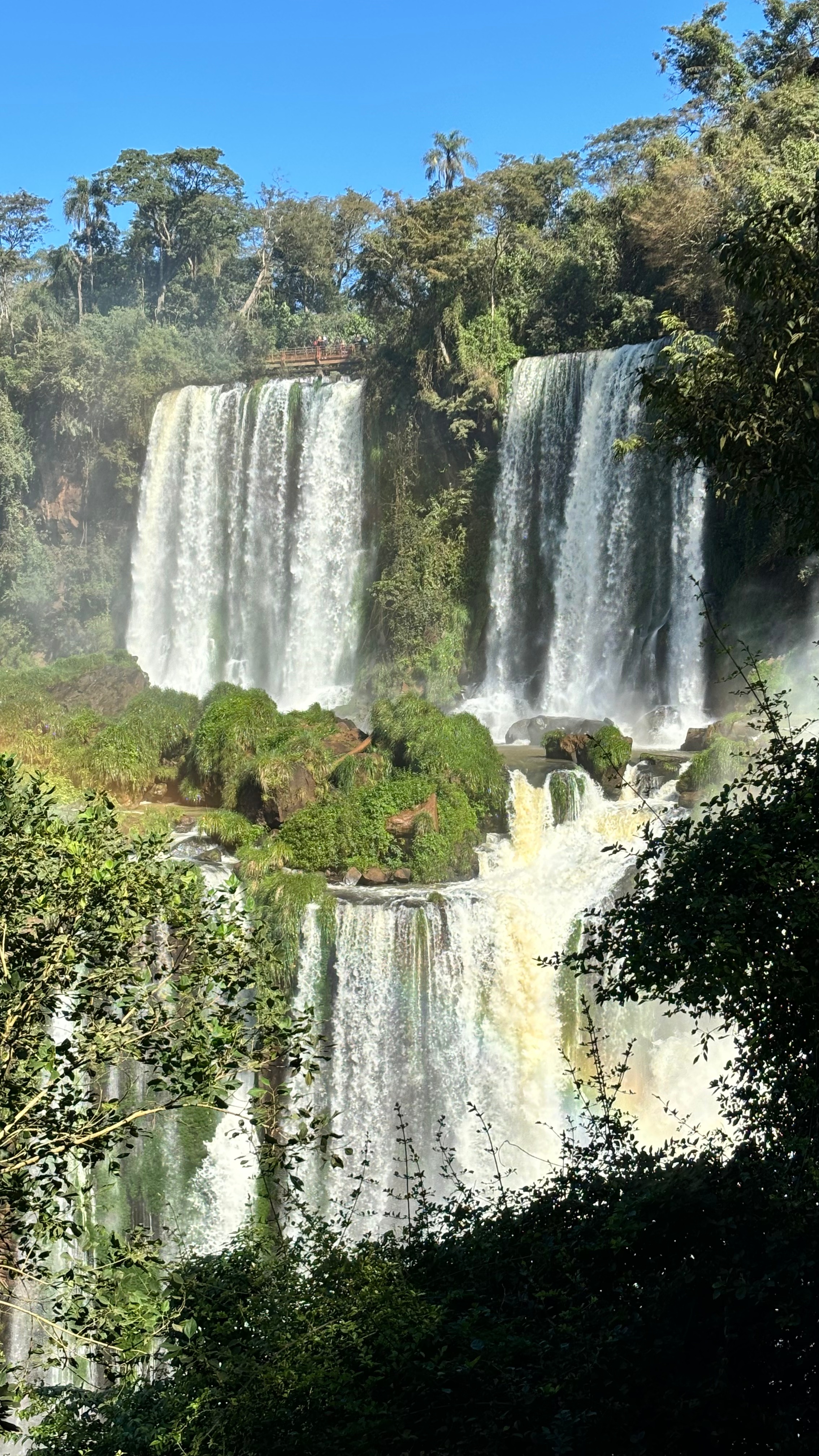
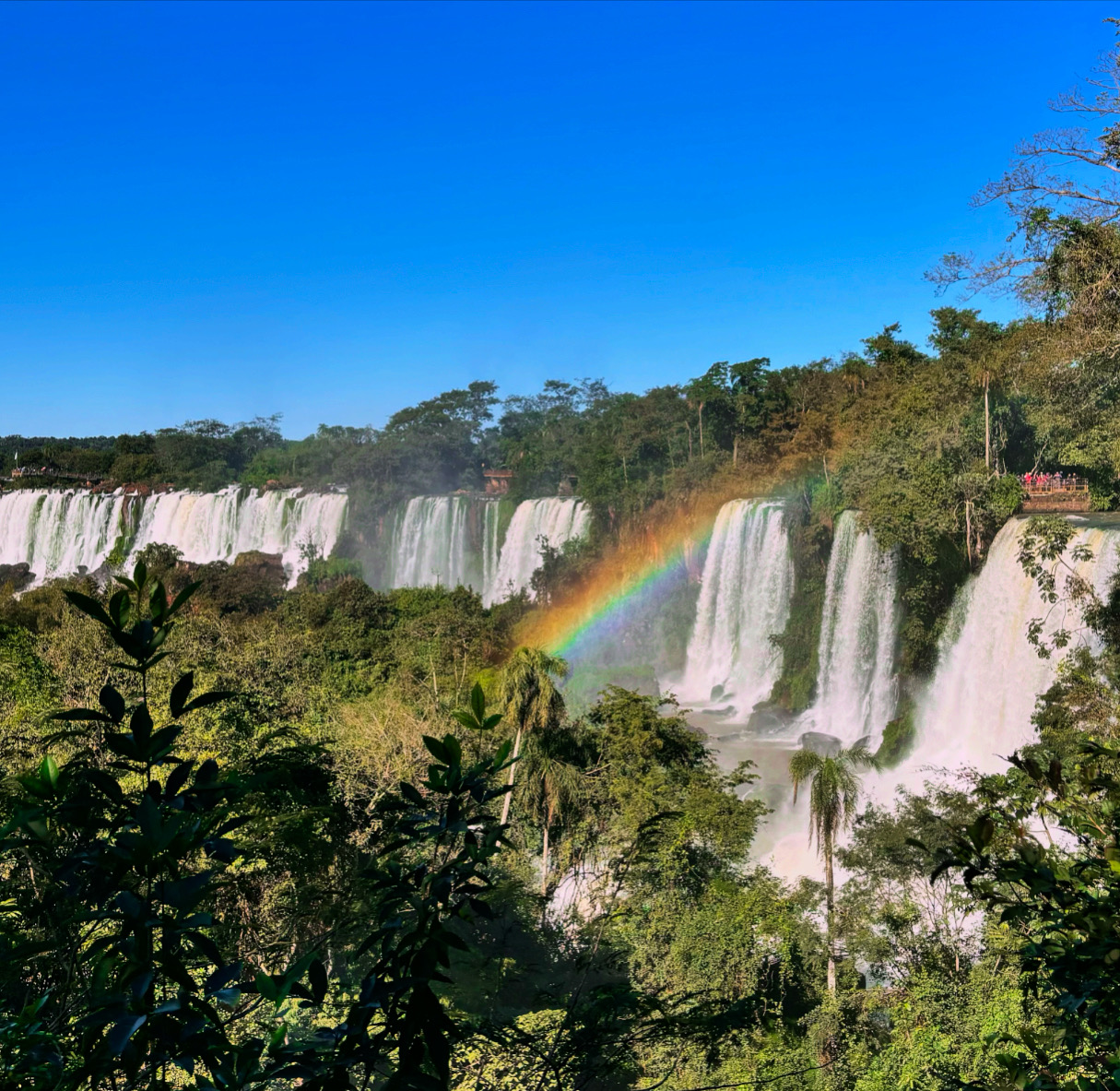
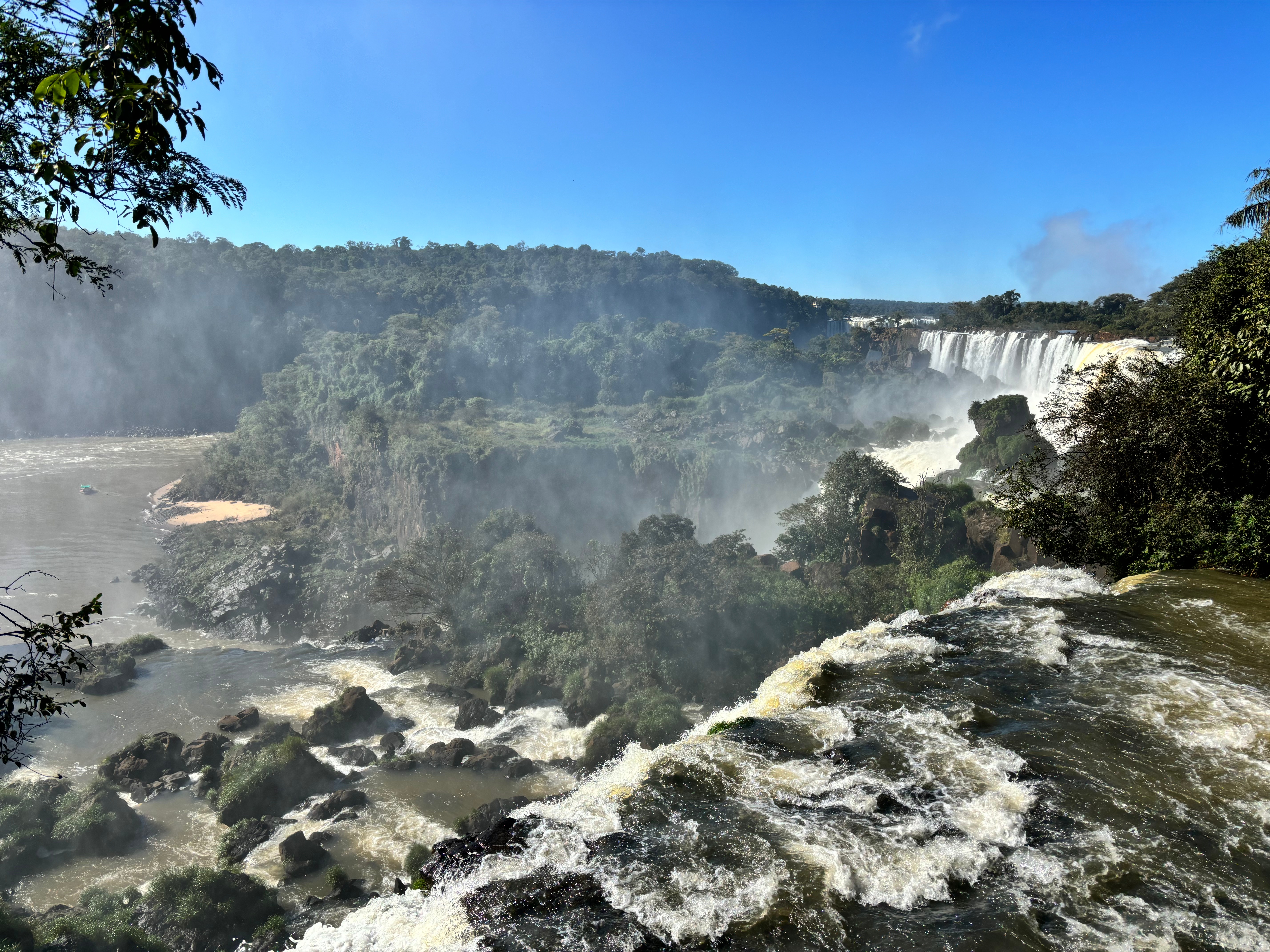
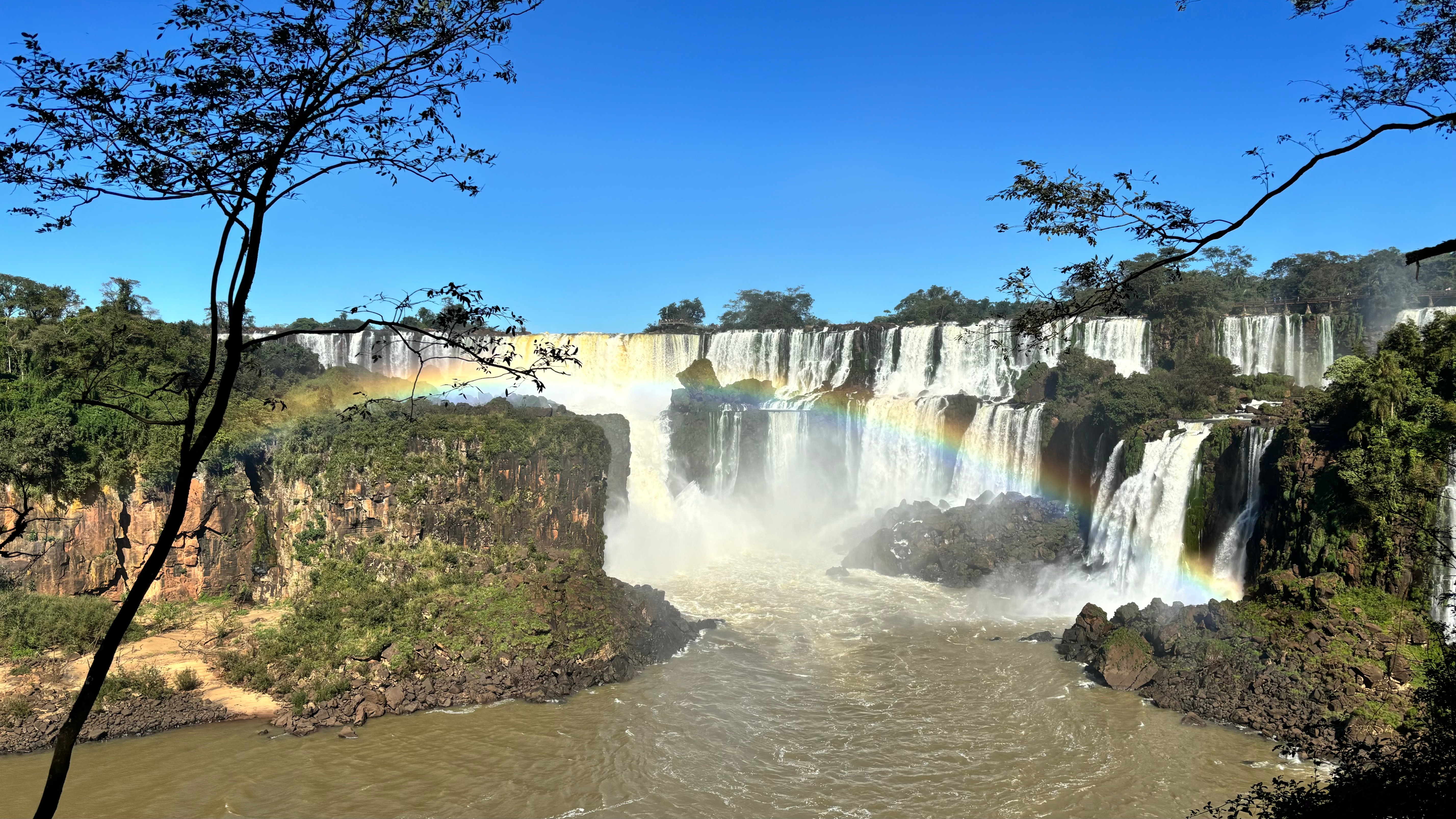
The Argentine side offers the most immersive experience of the falls, with kilometers of walkways bringing you close to the thundering water. The Upper Circuit provides sweeping panoramas from above, while the Lower Circuit lets you feel the spray on your skin. A highlight is the walkway to the Garganta del Diablo, or Devil’s Throat, a horseshoe-shaped chasm where the roar is deafening and the mist rises like steam from the earth. The Macuco Trail offers a quieter, more secluded jungle walk, often with wildlife sightings.
Optional Experiences (Argentina Side)
- Great Adventure Boat Ride: High-speed boat under the falls. Be prepared to get soaked.
- San Martín Island: Short boat crossing to trails with unique viewpoints (seasonal).
Wildlife & Biodiversity
The park shelters over 2,000 plant species and an astonishing variety of animals. Brightly colored toucans and parrots flit through the canopy, while capuchin monkeys swing overhead. Coatis, with their curious noses and ringed tails, patrol the walkways in search of snacks (visitors are forbidden to feed them). Rarely, lucky visitors might spot an ocelot or even a jaguar. The diversity here is part of the reason Iguazú is as much a treasure for conservationists as it is for travelers.
What to Bring
Light, breathable clothing is best for the humid climate, along with sturdy shoes for walking. A waterproof jacket or poncho will keep you dry on the lower trails. Sunscreen and insect repellent are essential, and a camera or phone with a waterproof case is highly recommended. Carry a refillable water bottle and some snacks, although cafés and restaurants are available within the park.
My Travel Tips
- Arrive early to enjoy quieter trails before tour groups.
- Keep food hidden; coatis and monkeys are clever scavengers.
- Take time to listen to the roar and watch rainbows form in the spray.
 My Misiones - A Foreigner's Guide to Misiones